
We’re Using Your Body’s Own Biologics to Heal
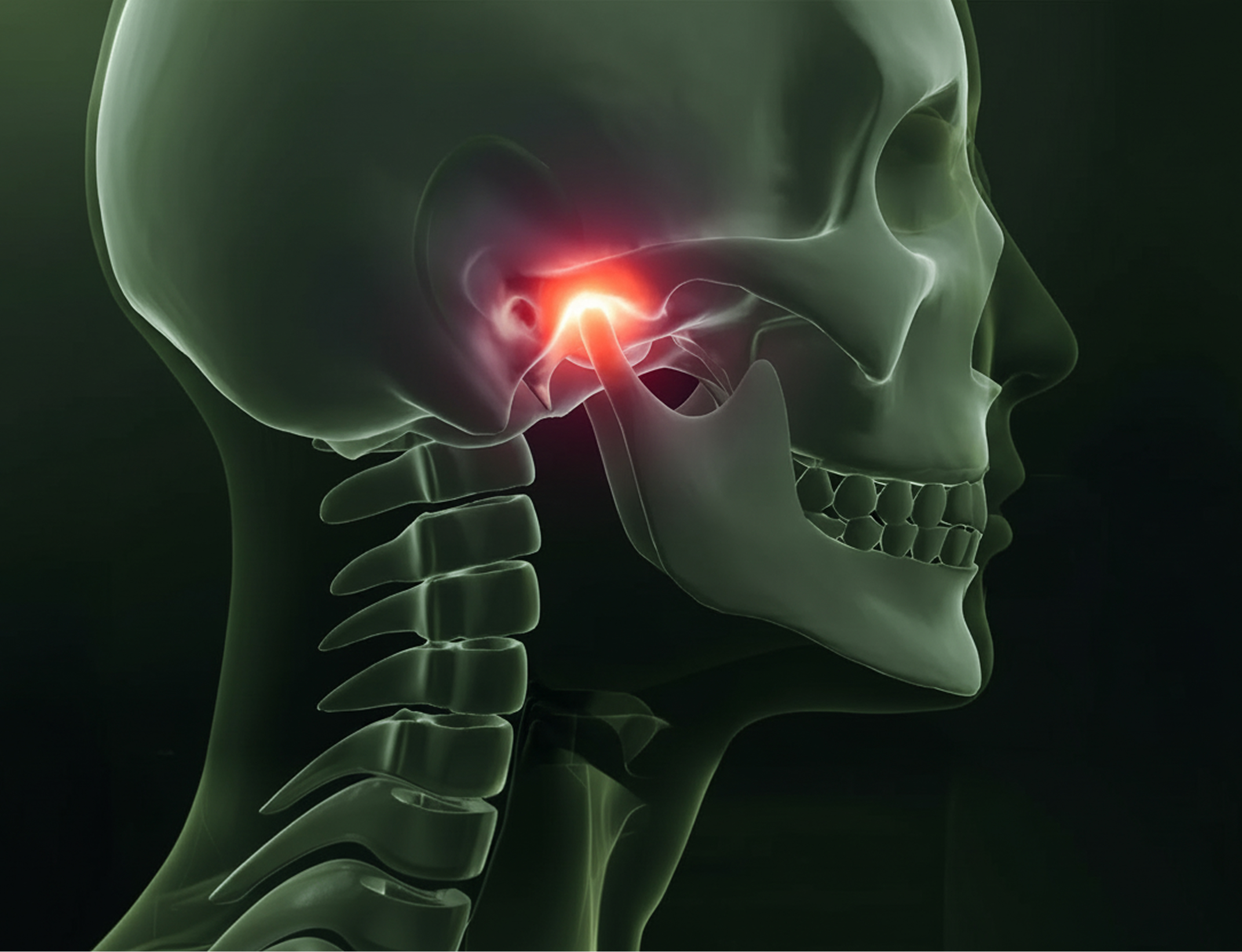
PRF injections for TMJ can help relieve temporomandibular joint (TMJ) pain, jaw stiffness, headaches, and facial discomfort that make everyday activities—from eating to concentrating at work—feel exhausting.
TMJ disorders can lead to chronic pain and persistent jaw discomfort, significantly impacting daily life. For many patients, traditional TMJ therapies provide temporary relief but not long-lasting improvement. PRF injections for TMJ can help relieve TMJ related pain, jaw stiffness, headaches, and facial discomfort that interfere with daily activities.
At Cascade TMJ and Airway, we offer Platelet-Rich Fibrin (PRF) injections as part of our cutting edge treatments and innovative solutions for TMJ disorders.
What Are Platelet Rich Fibrin (PRF) Injections for TMJ?
Platelet-Rich Fibrin (PRF) is a concentration of your own platelets, growth factors and healing proteins obtained from a small sample of your blood. Injectable platelet rich fibrin is a minimally invasive, autologous treatment used to promote healing in various conditions, including TMJ disorders.
This platelet rich fibrin treatment uses your own blood components to support healing within the temporomandibular joint.
When PRF is injected into the TMJ area, it may:
- Reduce inflammation
- Promote soft tissue and joint healing
- Support long-term symptom relief
- Improve joint mobility
PRF therapy is part of a broader category called regenerative medicine, which uses the body’s own repair mechanisms to enhance healing and tissue restoration. PRF therapy works by supporting the body’s natural healing process, rather than simply masking TMJ symptoms.
As a regenerative therapy, PRF leverages the body’s natural healing mechanisms through concentrated platelets and growth factors derived from your own blood.
How PRF Therapy Is Different from Other TMJ Treatments
Research shows that PRF and related platelet concentrates can enhance healing responses in musculoskeletal and joint conditions when used appropriately. PRF therapy can play a supportive role in managing TMJ disorders by promoting tissue healing rather than relying solely on symptom suppression. PRF offers a conservative option for patients looking to improve joint health without immediately resorting to invasive procedures.
PRF is sometimes compared to PRP therapy, but differs in composition and structure, allowing for a more gradual release of growth factors that support tissue repair. Other injectable options, such as hyaluronic acid, may be used in certain joint conditions, while PRF focuses on stimulating the body’s own regenerative response.
Traditional TMJ treatments include:
- Oral appliances (splints, night guards)
- Physical therapy
- Medications (NSAIDs, muscle relaxants)
- Steroid injections
- Surgery (in severe cases)
While many of these options provide temporary relief, they don’t necessarily promote tissue healing or address underlying joint dysfunction.
PRF injections are different because they offer innovative treatments for TMJ pain management. They:
- Use your own biologic material — no foreign substances
- Stimulate cellular repair pathways and promote tissue regeneration
- Can complement other conservative TMJ treatments
How PRF Injections Work
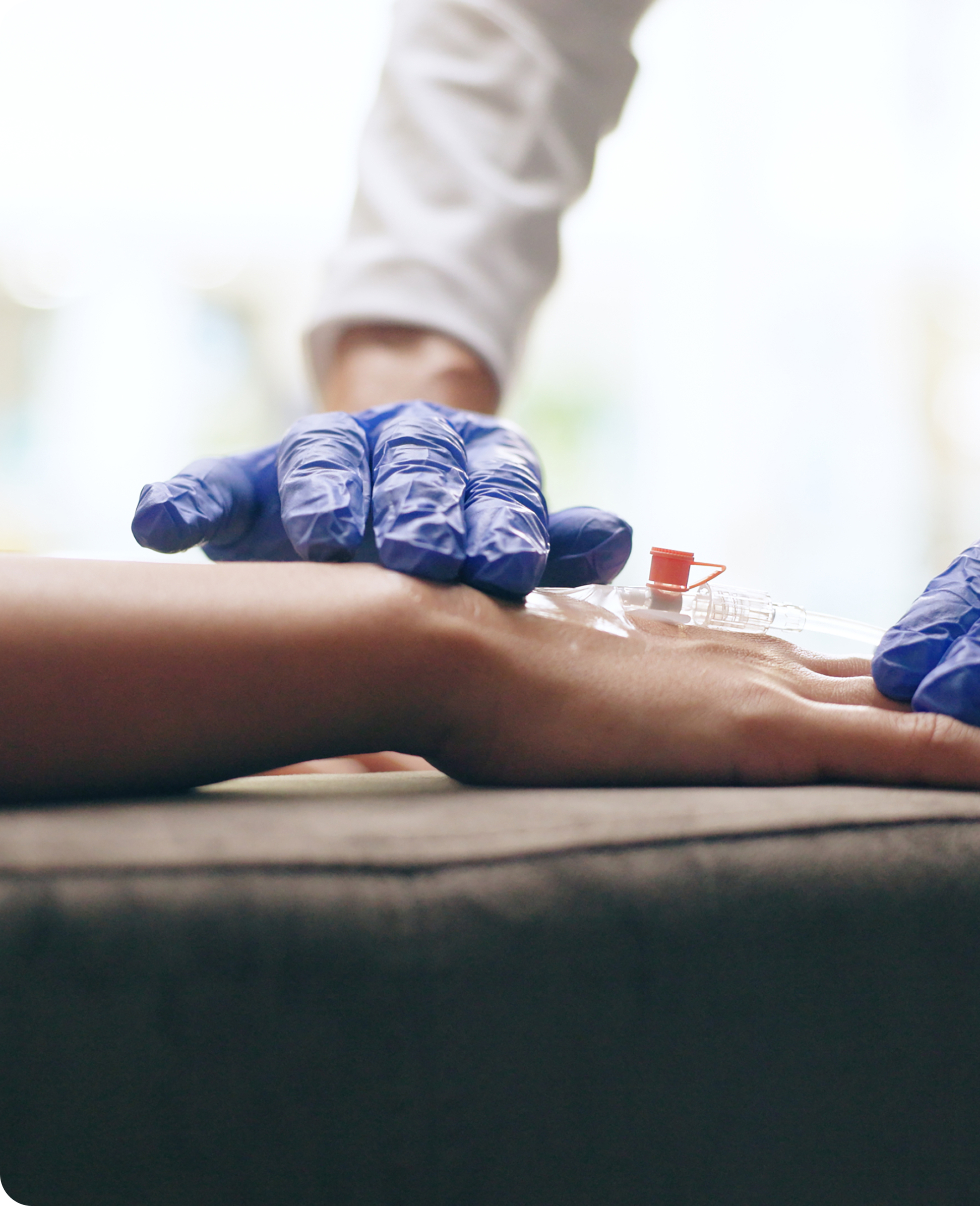
Blood Draw
Blood collection is performed by drawing a small sample from your arm, similar to a typical blood test. The blood sample contains platelets, white blood cells, and red blood cells, which are separated during centrifugation to isolate the fibrin-rich layer used for treatment. The blood is then processed in a centrifuge to separate the platelets and fibrin from other blood components.
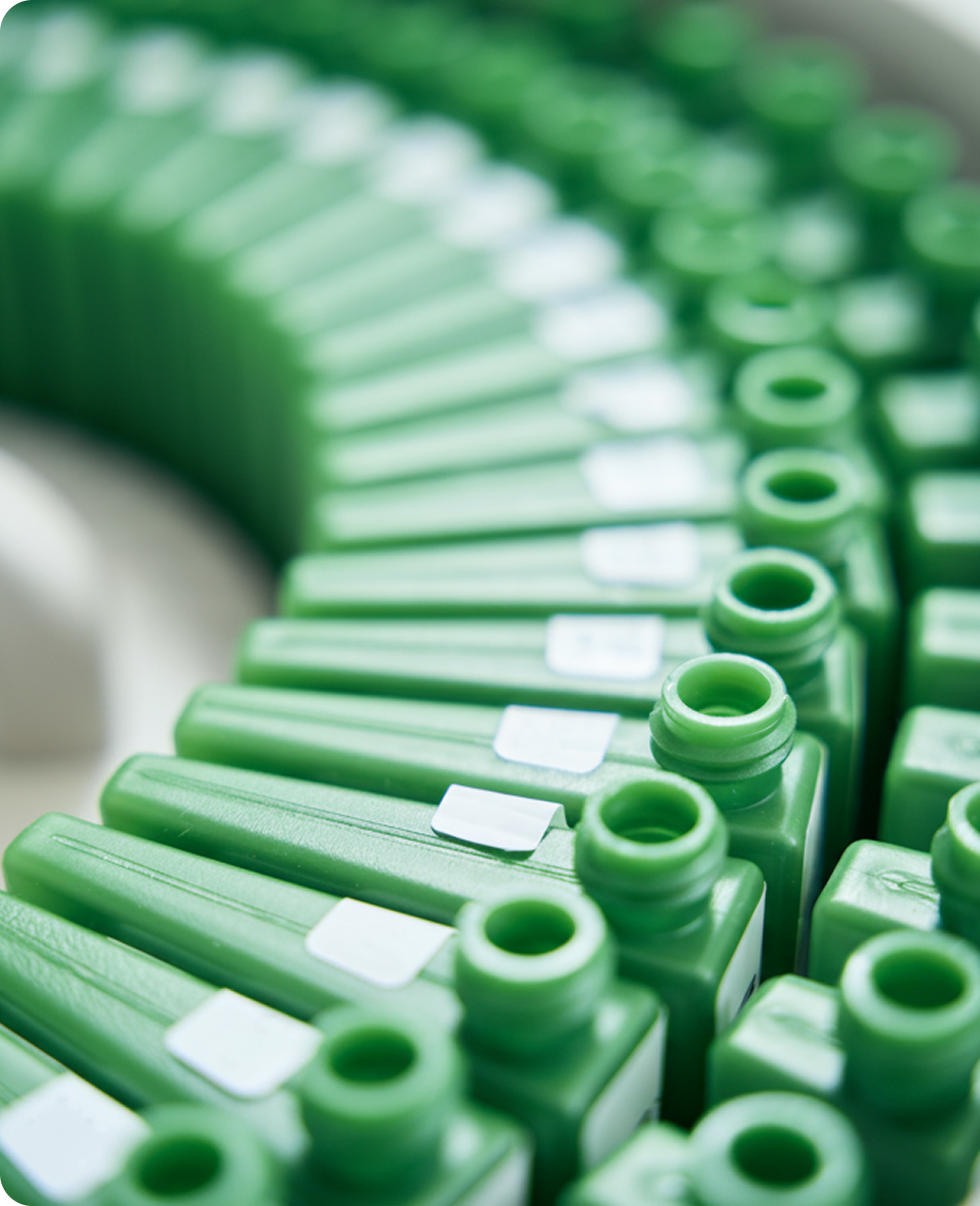
Centrifugation
The sample is spun in a specialized centrifuge that separates platelets and healing proteins from other blood components. The resulting PRF layer is rich in platelets, growth factors and stem cells, which are essential for tissue regeneration.
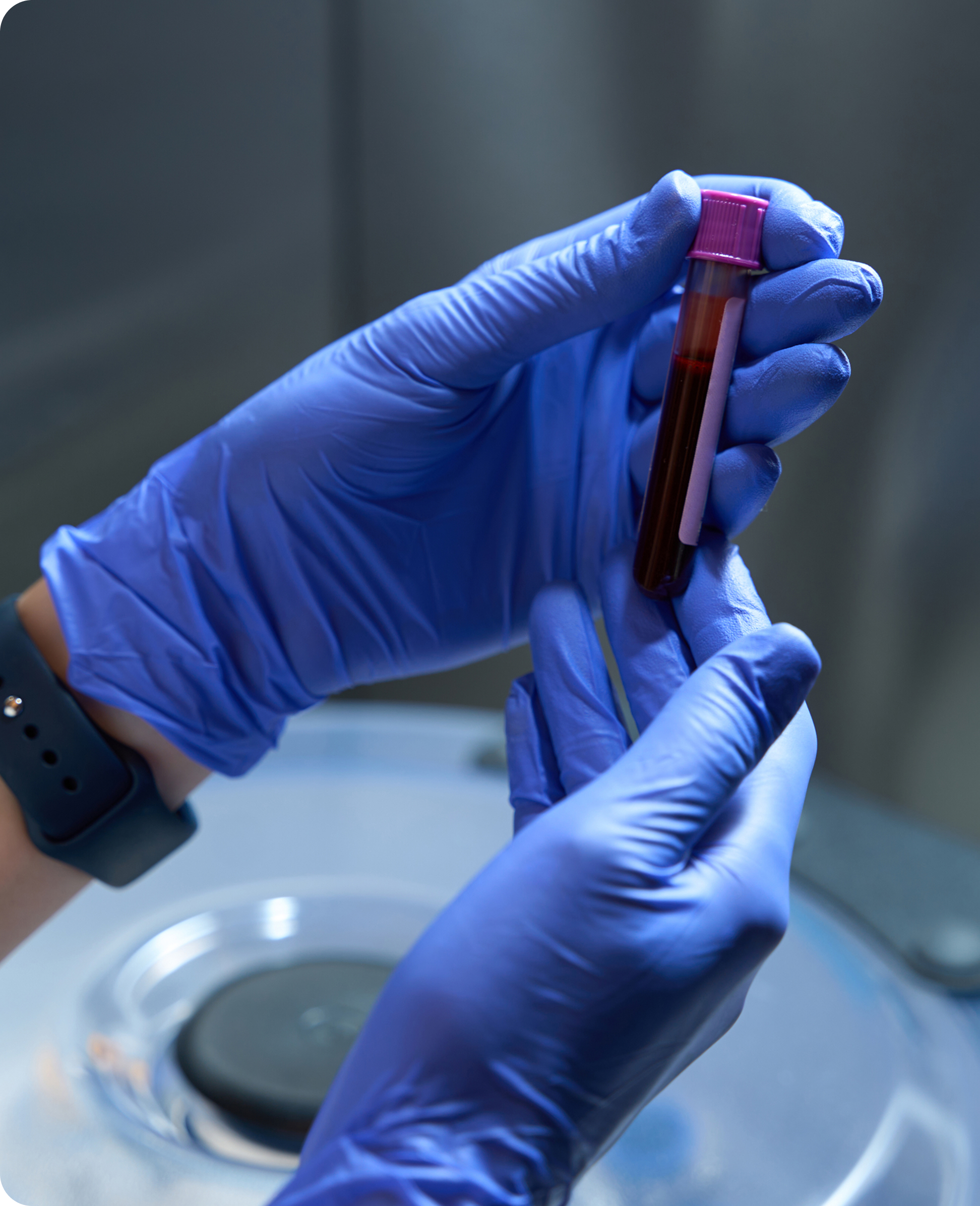
PRF Preparation
The concentrated PRF layer is collected and prepared as injectable platelet rich fibrin for injection. This prepared PRF is used to stimulate tissue repair in the targeted area.

Injection into the TMJ
Using precise techniques, PRF is injected into the TMJ area, jaw joint and surrounding facial muscles–focusing on areas of pain, limited mobility or inflammation.
PRF injections help alleviate TMJ discomfort by reducing pain and improving jaw function. The treatment works to promote tissue repair, and is particularly effective in healing TMJ because the platelets and growth factors encourage faster tissue repair.
Who Is a Good Candidate for PRF Injections?
PRF injections may be appropriate for adults with temporomandibular disorders, including:
- Chronic or recurrent TMJ pain
- Jaw stiffness, clicking, or limited range of motion
- Persistent headaches or facial pain linked to TMJ dysfunction
- Previous inconclusive response to conservative TMJ care
- Desire for a biologic/regenerative approach
Consult with a specialist who can assess if your symptoms and medical history align with platelet rich fibrin therapy.
What to Expect Before, During, and After PRF
Before Treatment

This evaluation helps determine whether PRF fits into a personalized treatment plan based on your symptoms, joint health, airway factors, and overall goals. A thorough review of your medical history helps identify factors such as medications, systemic conditions, or bleeding disorders that may affect candidacy for PRF treatment.
At your consultation, we will:
- Review your medical history and TMJ symptoms
- Conduct an airway-focused examination
- Assess jaw range of motion and joint sounds
- Evaluate bite and muscle tension
This ensures PRF is recommended appropriately and not as a one-size-fits-all solution.
During Treatment

- Blood collection is performed, similar to a routine blood test
- The PRF is processed in-office
- The injection is administered with precision; PRF injections are minimally invasive and have a quick recovery time. Patients may experience some soreness or swelling at the injection site after the procedure.
- Most patients experience minimal discomfort
Local anesthesia or topical numbing may be used for comfort.
After Treatment

- Mild soreness or tenderness is normal
- Most patients return to normal activities the same day
- Symptoms may gradually improve over several weeks as healing processes activate
Because PRF works with the body’s own healing pathways, improvement may continue over time.
Frequently Asked Questions
Will PRF injections cure my TMJ pain?
PRF therapy can provide significant relief for many patients experiencing TMJ pain and chronic jaw pain, especially when used as part of a comprehensive treatment plan. While PRF treatment supports healing within the temporomandibular joint, long-term success also depends on addressing contributing factors such as muscle balance, bite alignment, and airway function. Many patients report significant improvement in jaw comfort, mobility, and inflammation over time, particularly when PRF is combined with comprehensive TMJ care.
Is PRF safe?
Yes. PRF treatment is considered very safe because it is created from your own blood and concentrated with natural growth factors. This means the risk of allergic reaction, rejection, or complications is extremely low.
How many treatments are needed?
The number of PRF injections needed varies by patient and the severity of temporomandibular joint dysfunction. Some people notice improvement after one session, while others with chronic jaw pain may benefit from a series of treatments spaced over several weeks.
Is the procedure painful?
Most patients report minimal discomfort during PRF therapy. Topical numbing or local anesthesia can be used to ensure comfort during injections into the temporomandibular joint area.

Take the Next Step Toward TMJ Relief
PRF injections offer a regenerative, patient-friendly alternative to traditional TMJ treatments by harnessing your body’s own healing power. When combined with airway evaluation and personalized care, PRF can be a transformational step toward long lasting relief.
Schedule your consultation today and remember what it feels like to be pain-free from TMJ disorders with PRF injections.