
TMJ Treatment for Jaw Function, Airway
& Whole-Body Health
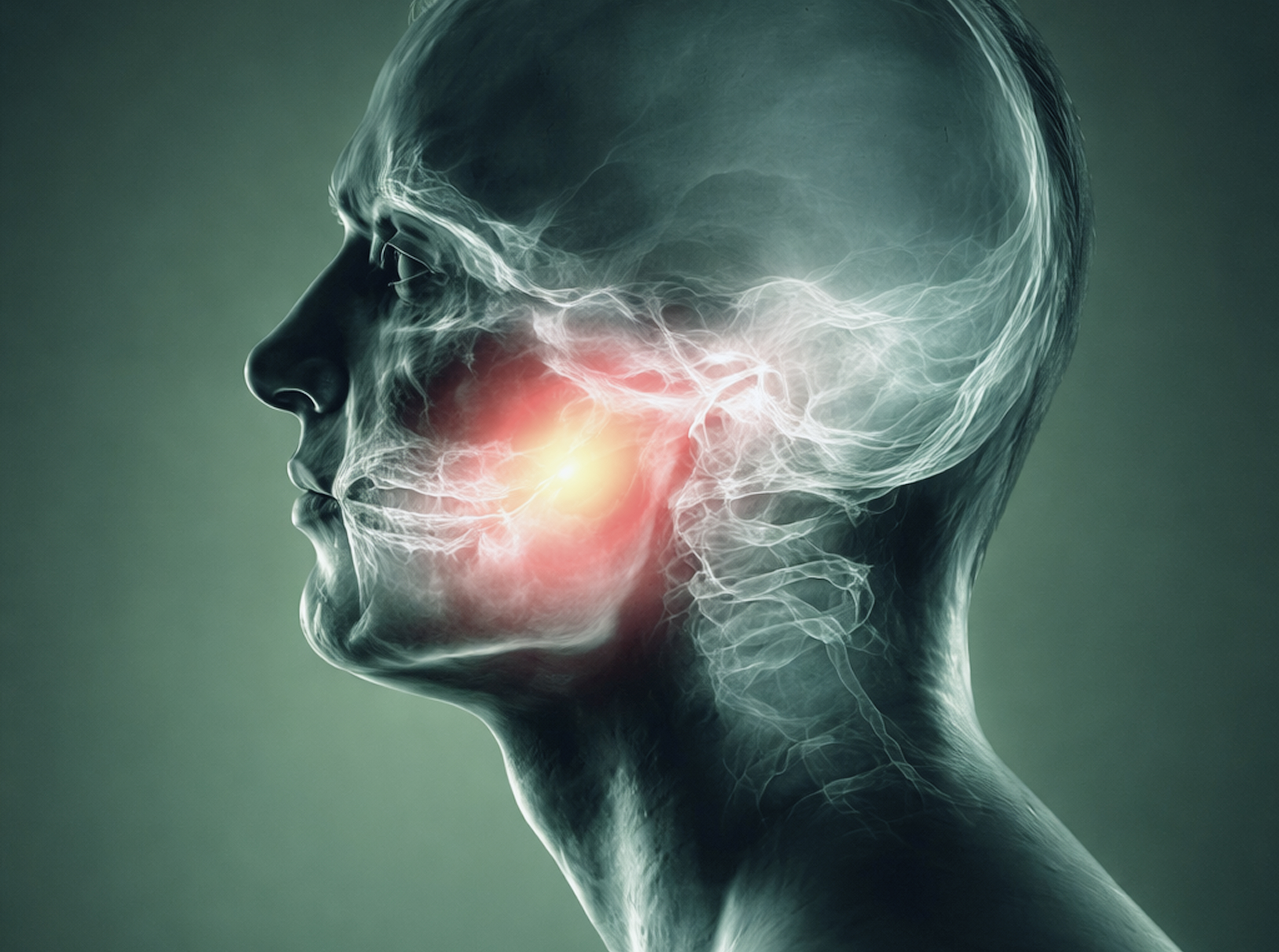
Jaw pain, headaches, clicking, and facial tension are not things you should have to live with. At Cascade TMJ and Airway, our TMJ treatment approach goes beyond symptom management to address the underlying causes of jaw dysfunction–including airway restriction, bite imbalance, muscle overuse and sleep-related stress on the jaw.
Rather than offering one-size-fits-all splints or short-term fixes, we take a whole body, airway centered approach designed to restore healthy jaw movement, reduce pain and protect long-term joint health.
What Is Temporomandibular Joint Dysfunction (TMD)?
The temporomandibular joint(TMJ) connects your lower jaw to your skull and is among the most complex joints in the body. Temporomandibular joint dysfunction (TMD) occurs when these joints, the muscles that control jaw movement, or bite mechanics are not functioning properly.
According to PubMed, temporomandibular joint disorders are often multifactorial, involving muscle imbalance, joint stress bite alignment and airway related factors. Injury to the jaw or temporomandibular joint can lead to some TMJ disorders, but in most cases, the exact cause is unclear.
TMJ issues are rarely caused by a single problem–which is why comprehensive evaluation is essential. There is no widely accepted, standardized test to diagnose TMJ disorders, and identifying them can be difficult due to unclear causes and symptoms.
Temporomandibular joint dysfunction (TMD) occurs when these joints, the chewing muscles, or bite mechanics are not functioning properly. TMJ disorders may develop after a jaw injury, but more often they result from a combination of muscle imbalance, bite mechanics, airway stress, and repetitive strain.
Findings from craniofacial research show that temporomandibular disorders often involve complex interactions between joint mechanics, muscle activity, bite alignment, and airway function.
Common Symptoms of Temporomandibular Disorders (TMDS)
MJ disorders can present in many ways, and TMD symptoms can also involve the muscles that control jaw movement. Many patients experience jaw pain, headaches, or facial discomfort related to chronic muscle tension in the jaw and surrounding areas. Nighttime teeth clenching is a common contributor to jaw pain, headaches, and joint strain.
TMD symptoms can vary widely from person to person and may affect the jaw, face, head, neck, and surrounding muscles.
Common symptoms of TMD include:
- Jaw pain or tightness
- Tenderness in the jaw joint
- Clicking or popping in the jaw
- Joint noises such as clicking or popping, which can occur without pain and may not require treatment
- Headaches or migraines
- Facial pain or ear discomfort
- Ear symptoms such as ringing or fullness
- Limited jaw opening or movement issues in the upper and lower teeth
- Difficulty chewing
- Clenching or grinding (bruxism)
- Neck and shoulder tension
Severe symptoms of TMJ disorders can include dizziness and changes in how teeth fit together. TMJ disorders frequently involve surrounding structures, which is why symptoms such as neck pain, shoulder tension, and headaches often occur together.
Many patients report jaw stiffness, especially in the morning or after prolonged clenching or grinding.
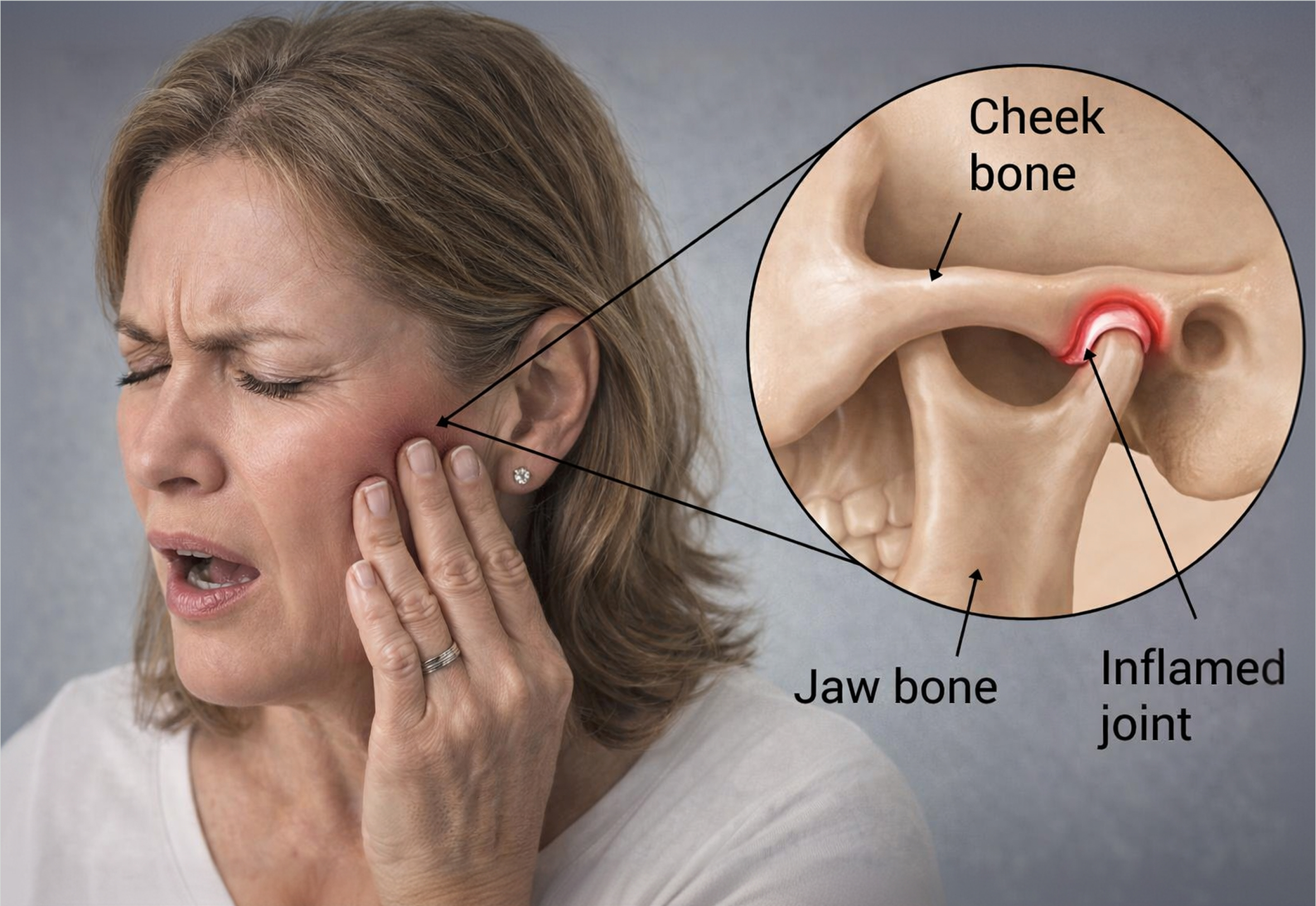
The Connection Between Temporomandibular joint disorders, Airway & Sleep
Poor airway function can significantly increase strain on the jaw. When the airway is restricted during sleep, the body may subconsciously thrust the jaw forward to keep breathing–placing excessive stress on the TMJs and surrounding muscles. When the airway is restricted during sleep, surrounding soft tissues and muscles may contribute to compensatory jaw movement and added joint strain.
The American Academy of Sleep Medicine(AASM) recognizes the close relationship between sleep-disordered breathing, bruxism, and jaw strain.
This explains why many TMJ patients also experience:
- Poor sleep quality
- Snoring or sleep apnea
- Morning jaw soreness
- Chronic fatigue
At Cascade TMJ and Airway, we always evaluate airway health as part of TMJ treatment.
Our Root-Cause Approach to TMJ Treatment
Traditional TMJ care often focuses on temporary symptom relievef. Our philosophy is different–we look at why the jaw is under stress in the first place. TMD is treated based on the underlying cause and severity of the condition, ensuring a personalized approach for each patient. Chronic jaw dysfunction can alter how the nervous system perceives pain, which is why early intervention and comprehensive care are important.
TMJ disorders can occur alone at the same time as other pain conditions or medical conditions, such as headaches or back pain. That’s why our TMJ evaluations consider a range of pain conditions to rule out other possible causes and ensure an accurate diagnosis.
Traditional TMJ care often relies on symptom management approaches such as splints, nonsteroidal anti inflammatory drugs, or short-term pain relief, rather than addressing why the jaw is under stress in the first place. We collaborate with other healthcare providers, including oral and maxillofacial surgeons, when multidisciplinary care is required for complex TMJ cases.
Traditional TMJ care often emphasizes short-term pain management, while our approach focuses on reducing the mechanical and functional causes of jaw stress. Habits such as clenching, grinding, or nail biting can place repeated stress on the jaw joints and surrounding muscles over time.
Our TMJ evaluations assess:
- Jaw joint mechanics
- Bite alignment and occlusion
- Muscle balance and tension
- Airway size and breathing patterns
- Sleep-related jaw activity
This comprehensive approach allows us to create customized treatment plans that protect the joint while addressing contributing factors. Every evaluation begins with a detailed medical history to identify contributing factors such as injury, sleep issues, airway concerns, and chronic muscle strain.
Our goal is not just to treat pain, but to identify and reduce the underlying sources of jaw stress that lead to recurring symptoms. Repetitive habits such as clenching, grinding, or frequent chewing gum can overload the jaw joints and contribute to chronic muscle fatigue.
Comprehensive care may also include behavioral health approaches that address stress-related muscle activation and habits contributing to jaw tension.
TMJ Treatment Options at Cascade TMJ and Airway
Custom oral appliances are often used to treat teeth grinding by reducing joint loading, calming overworked muscles, and protecting the jaw during sleep. In some treatment models, injecting botulinum toxin type therapies may be discussed to temporarily reduce muscle hyperactivity, though they do not address underlying joint or airway causes.
Oral Appliance Therapy
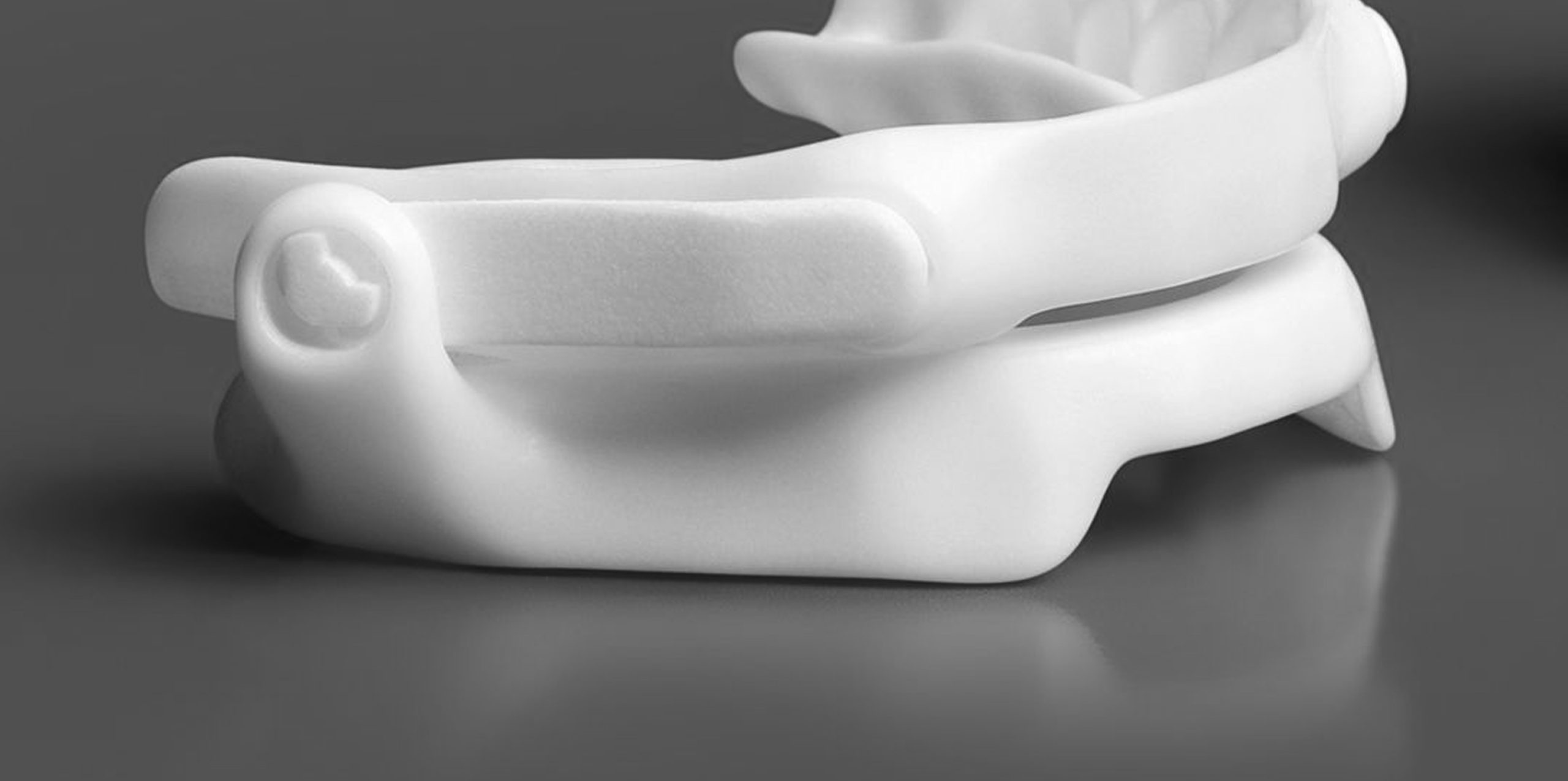
Custom oral appliances can reduce joint loading, relax overworked muscles and protect the jaw during sleep. Oral appliances do not change the teeth or bite, and there is limited evidence that they improve TMD pain. Unlike generic mouth guards, our custom oral appliances are designed to reduce joint strain while supporting proper jaw position and airway health.
PRF Injections for TMJ (Regenerative Therapy)
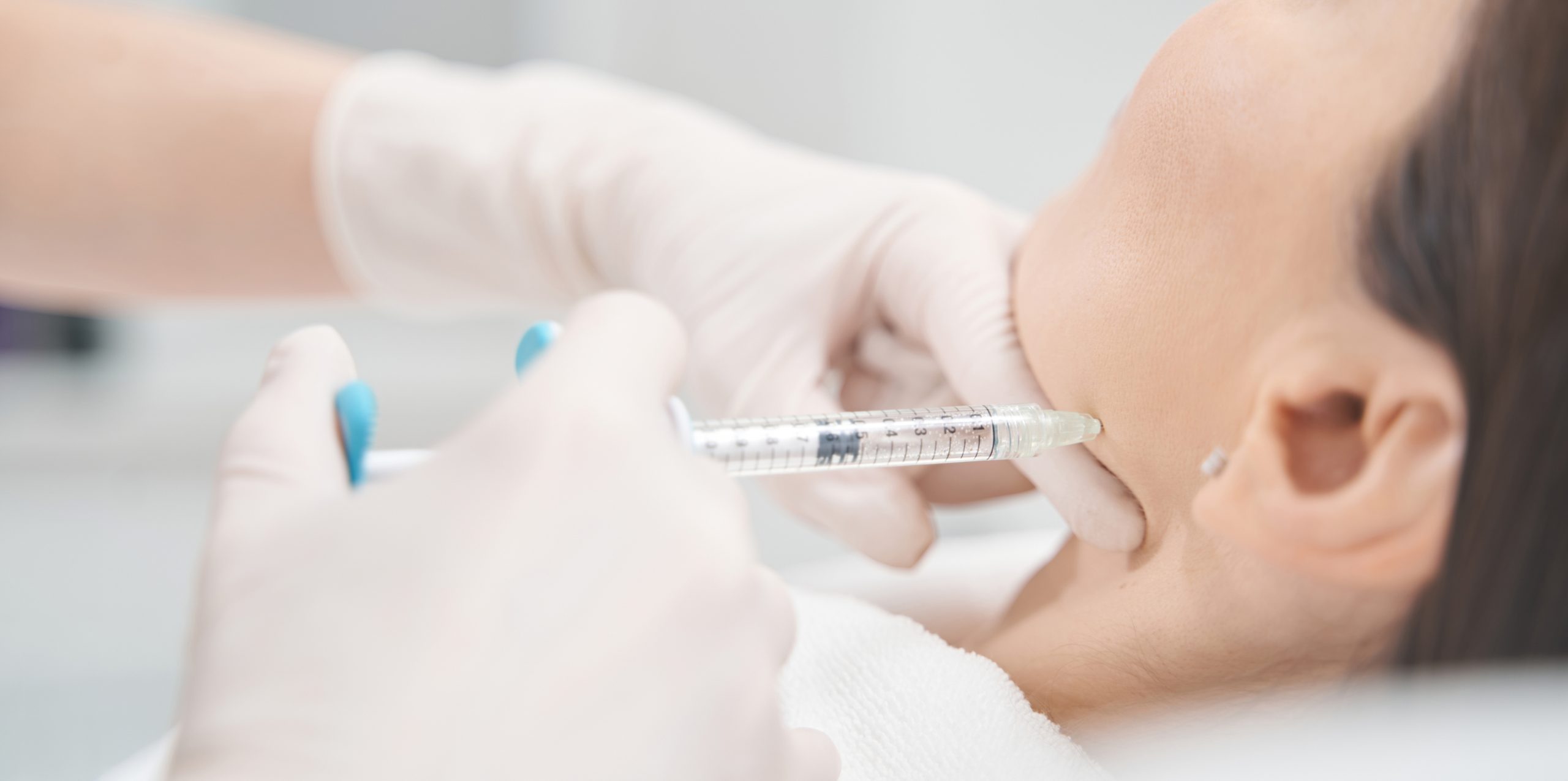
Platelet-Rich Fibrin (PRF) injections use your body’s own healing factors to support joint health and reduce inflammation. PRF is derived from a small blood sample and contains growth factors that promote tissue repair.
Studies published in PubMed show promising results for PRF in managing TMJ pain and inflammation by supporting regenerative healing rather than masking symptoms. PRF injections are considered a minimally invasive procedure that supports joint healing without surgery or long recovery times.
PRF injections are:
- Minimally invasive
- Drug-free
- Focused on long-term joint health
Airway & Orthodontic Support
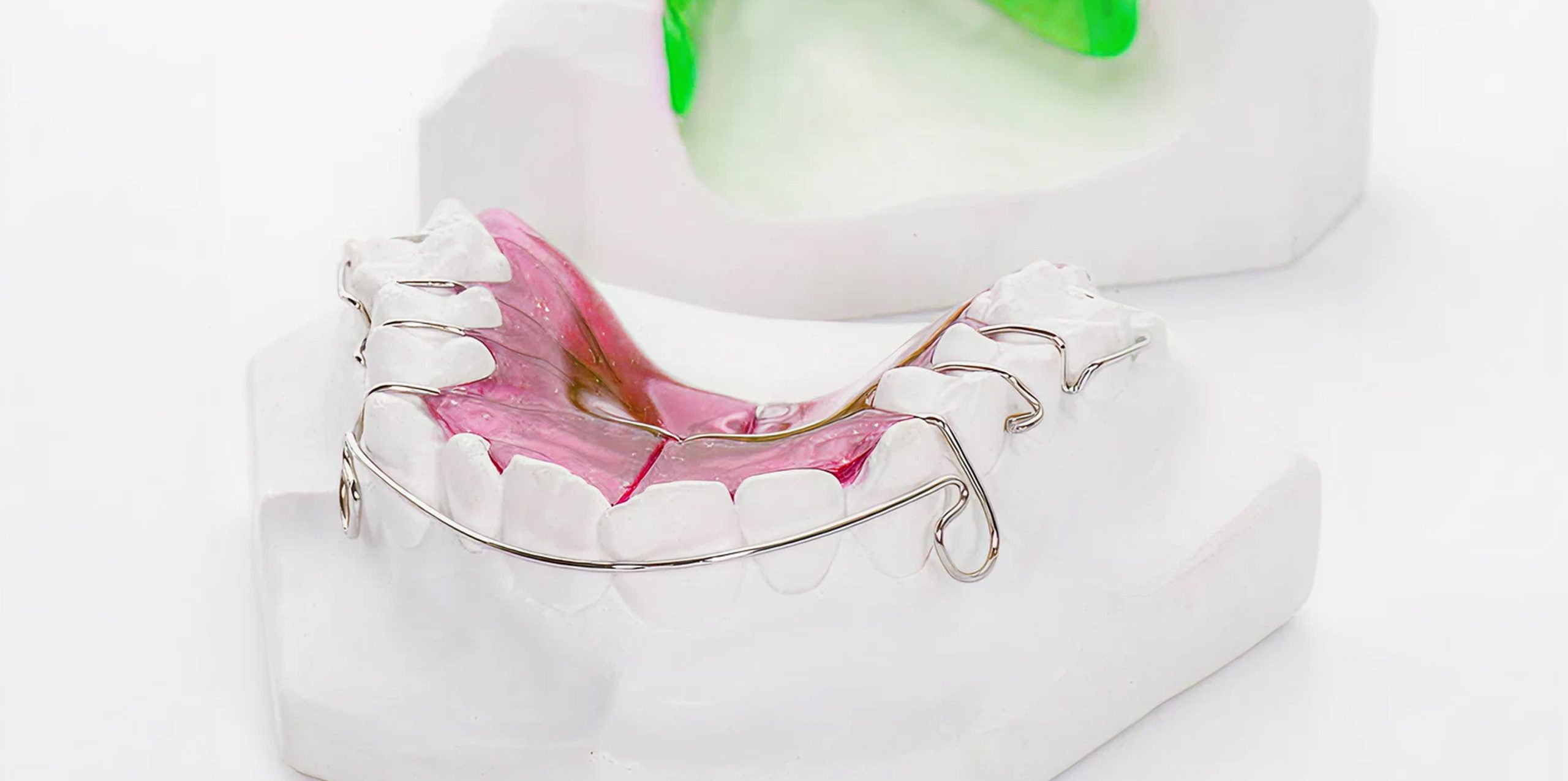
For patients with bite collapse, narrow arches, or jaw positioning issues, orthodontic intervention may reduce joint strain by improving alignment and airway support. It is a common misconception that orthodontic braces cause temporomandibular disorders (TMDs); however, research shows that orthodontic braces do not cause TMDs, and it is important to distinguish between dental treatments and jaw disorders.
Myofunctional Therapy and Physical Therapy
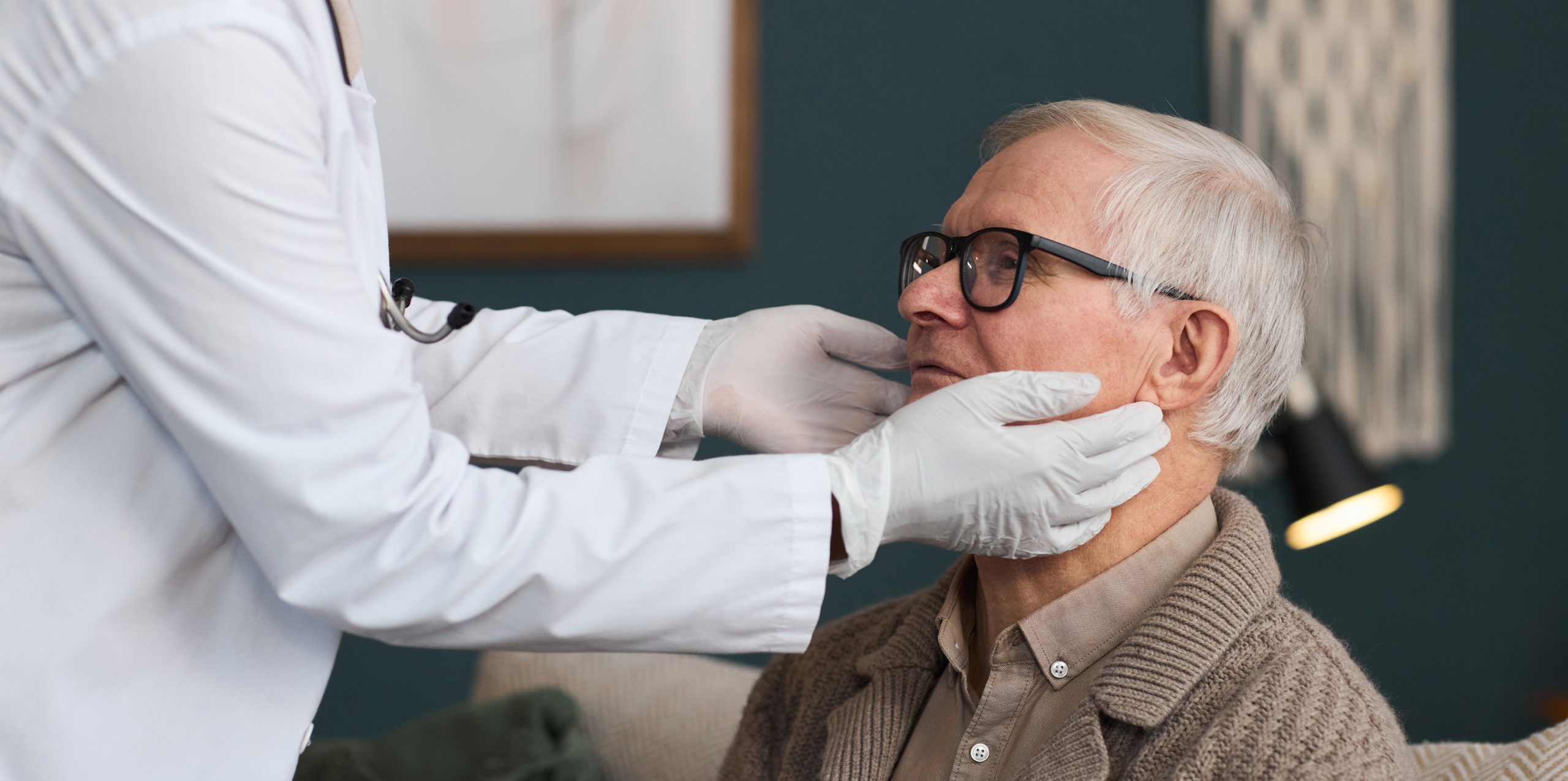
Muscle dysfunction plays a major role in TMJ disorders. Myofunctional therapy retrains tongue posture, swallowing patterns and facial muscles to reduce jaw strain through relaxation techniques. In some cases, supportive therapies such as transcutaneous electrical nerve stimulation may be used to help reduce pain and relax overactive jaw muscles.
Research shows myofunctional therapy can significantly improve TMJ symptoms when combined with other treatments. Therapy programs often include techniques to gently stretch and retrain the jaw and facial muscles, helping restore balanced movement and reduce strain.
Benefits of Proper TMJ Treatment for TMJ Pain


TMJ treatment is not just about pain relief — it’s about restoring balance and function.
Why Choose Cascade TMJ and Airway?


Frequently Asked Questions
Is TMJ disorder permanent?
Not necessarily. Many temporomandibular disorders (TMD) respond well to treatment that supports healthy jaw joint function, reduces strain on the jaw muscles, and improves alignment of the temporomandibular joint. With proper care, many patients experience long-term relief. During flare-ups, patients may be advised to eat soft foods temporarily to reduce strain on the jaw while healing occurs.
Does TMJ treatment help headaches?
Yes. Many headaches originate from tension, inflammation, or dysfunction in the jaw joint and surrounding jaw muscles. Treating the temporomandibular joint often reduces muscle strain, nerve irritation, and referred pain patterns linked to chronic headaches. Supportive strategies such as gentle stretching or applying moist heat may help relax jaw muscles and reduce discomfort during flare-ups.
Is surgery required for TMJ disorders?
Most TMJ treatment plans do not involve surgery, and conservative care is effective for the majority of patients. Surgery is considered a last resort and is typically reserved for structural jaw joint issues that do not respond to other treatments. Dental and craniofacial research supports starting with non-surgical approaches whenever possible. In rare cases involving structural damage or advanced joint degeneration, maxillofacial surgery may be considered after conservative treatments have been exhausted. More invasive options, such as implant surgery, are rarely required and are typically reserved for severe joint damage that does not respond to conservative care.
What is the role of physical therapy and a physical therapist in TMJ treatment?

Take the First Step Toward TMJ Relief
Jaw pain is not normal — and it doesn’t have to be your reality. Effective TMJ treatment can restore comfort, improve sleep, and protect your jaw for years to come. Addressing the root causes of jaw dysfunction helps reduce ongoing pain and supports more stable, lasting relief.
If jaw discomfort, headaches, or bite changes are interfering with daily life, ongoing TMJ problems deserve a thorough and thoughtful evaluation.
At Cascade TMJ and Airway, we treat TMJ by addressing the root cause — not just covering up the pain. Book your TMJ consultation today and start your path toward lasting relief.