
Oral Device Therapy in Wenatchee, WA

If you’ve been diagnosed with sleep apnea, struggle with chronic snoring or wake up feeling unrefreshed despite a full night’s sleep, you may be searching for a treatment option that actually fits your life.
At Cascade TMJ and Airway, oral appliance therapy is part of a comprehensive, airway-centered approach to sleep and whole-body health. Rather than focusing solely on symptoms, we evaluate how your jaw position, tongue posture, breathing patterns and airway anatomy interact–then design a personalized solution to support healthy and long term wellness.
What Is Oral Appliance Therapy?
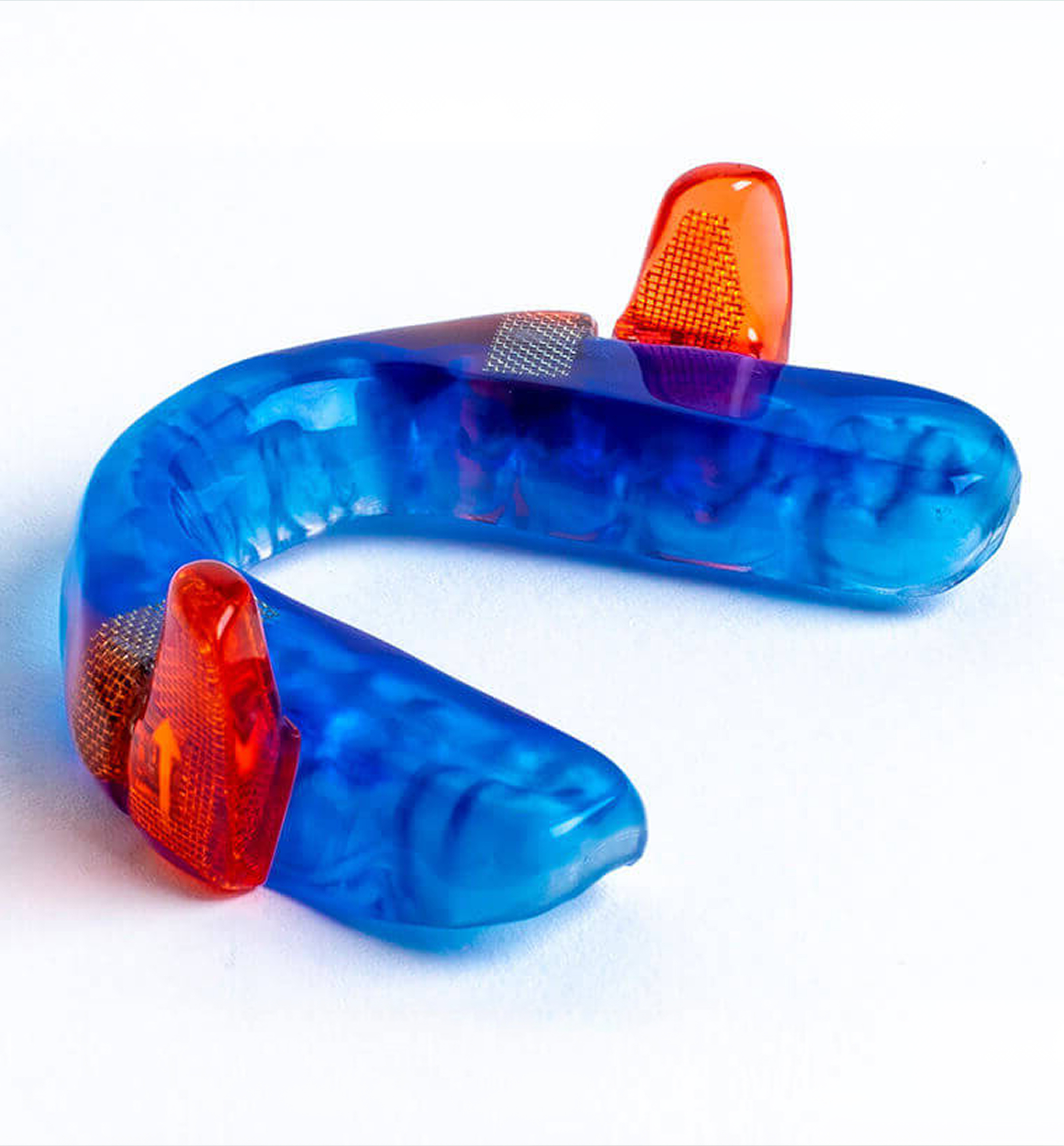
Oral device therapy (also known as oral appliance therapy) is commonly used to treat obstructive sleep apnea (OSA) and chronic snoring by helping keep the airway open during sleep. These devices gently reposition the lower jaw and tongue forward, preventing airway collapse and improving airflow throughout the night.
Oral devices are commonly used to treat:
- Obstructive sleep apnea (mild to moderate cases)
- Primary snoring
- Upper airway resistance
- CPAP intolerance
Oral devices are usually prescribed by a doctor or a sleep specialist. A dentist specializing in sleep medicine will create a custom device and ensure a custom fit oral appliance tailored to each patient, providing a personalized and effective treatment solution.
According to the American Academy of Sleep Medicine (AASM), oral appliance therapy is an evidence-based treatment option for obstructive sleep apnea and snoring, particularly for patients who cannot tolerate CPAP or prefer an alternative approach.
Custom-fitted oral appliances are essential for effective treatment of sleep apnea, and regular follow-ups with your provider are important for ongoing management. Oral devices are commonly used to treat obstructive sleep apnea (mild to moderate cases), including patients with moderate obstructive sleep apnea, primary snoring, upper airway resistance, and CPAP intolerance.
Oral device therapy is commonly recommended for patients with mild sleep apnea and moderate OSA, particularly when CPAP is not tolerated. Oral device therapy uses custom-fitted dental appliances worn during sleep to help keep the airway open by supporting proper jaw and tongue positioning.
How Oral Device Therapy Works
During sleep, muscles in the airway naturally relax. For some individuals, this relaxation allows the tongue and soft tissues to fall backward, narrowing o blocking airflow, especially in the back of the throat.
An oral device works by:
- Supporting forward jaw positioning
- Stabilizing the tongue
- Reducing airway collapse
- Improving oxygen flow
- Promoting deeper, more restorative sleep
By addressing airway mechanics directly, oral device therapy targets the root cause of sleep-disordered breathing, not just the symptoms. By supporting proper jaw and tongue positioning, this section explains how oral appliances work to keep the airway open & reduce breathing interruptions during sleep.
The Science Behind Oral Device Therapy
Research available through PubMed supports the effectiveness of oral appliance therapy in improving airway patency, reducing apnea events and enhancing sleep quality for appropriate candidates.
Studies have shown that oral device therapy can:
- Reduce apnea-hypopnea index (AHI)
- Improve oxygen saturation
- Decrease snoring intensity
- Enhance daytime alertness and quality of life
The National Heart, Lung, and Blood Institute also recognizes oral appliances as a treatment option for certain sleep apnea patients, particularly CPAP is not tolerated.
At Cascade TMJ and Airway, we rely on evidence-based protocols and ongoing assessment to ensure that oral device therapy is both effective and sustainable.
Types of Oral Appliances
There are several types of oral appliances used to treat obstructive sleep apnea, each designed to keep the airway open and support more restful sleep. The most commonly prescribed options include:
Oral Device Therapy vs. CPAP for Obstructive Sleep Apnea
CPAP therapy can be highly effective but it is not the right fit for everyone. Many patients struggle with discomfort, noise, dryness or compliance over time. Many patients struggle with nightly use of a CPAP machine due to discomfort, noise, dryness, or long-term compliance challenges.
Oral device therapy offers several advantages:
- Compact and travel-friendly
- Quiet and non-invasive
- No hoses, masks, or power sources
- Easier nightly compliance for many patients
While CPAP remains the gold standard for certain cases, oral device therapy provides a valuable alternative for patients seeking comfort without sacrificing effectiveness. While continuous positive airway pressure (CPAP) therapy remains the gold standard for certain cases of obstructive sleep apnea, oral device therapy offers a comfortable and effective alternative for many patients.
In some situations, oral devices may also be used in coordination with CPAP to improve comfort and compliance.
The Role of Sleep Testing in Oral Device Therapy
Before beginning oral device therapy, it’s important to understand how your airway behaves during sleep. Many patients benefit from at-home sleep testing to confirm a diagnosis, establish baseline data, and measure treatment effectiveness.
Sleep testing allows us to:
- Determine candidacy for oral device therapy
- Customize appliance positioning
- Monitor improvements in breathing and oxygen levels
- Adjust treatment over time
This data-driven approach ensures that oral device therapy is not guesswork — it’s guided, measurable care. Sleep testing helps determine whether dental devices are appropriate and allows providers to measure improvements in breathing and oxygen levels once treatment begins.
What to Expect with Oral Device Therapy at Cascade TMJ and Airway

Consultation & Evaluation

We review symptoms, medical history, airway risk factors, and jaw health.
Custom Appliance Design
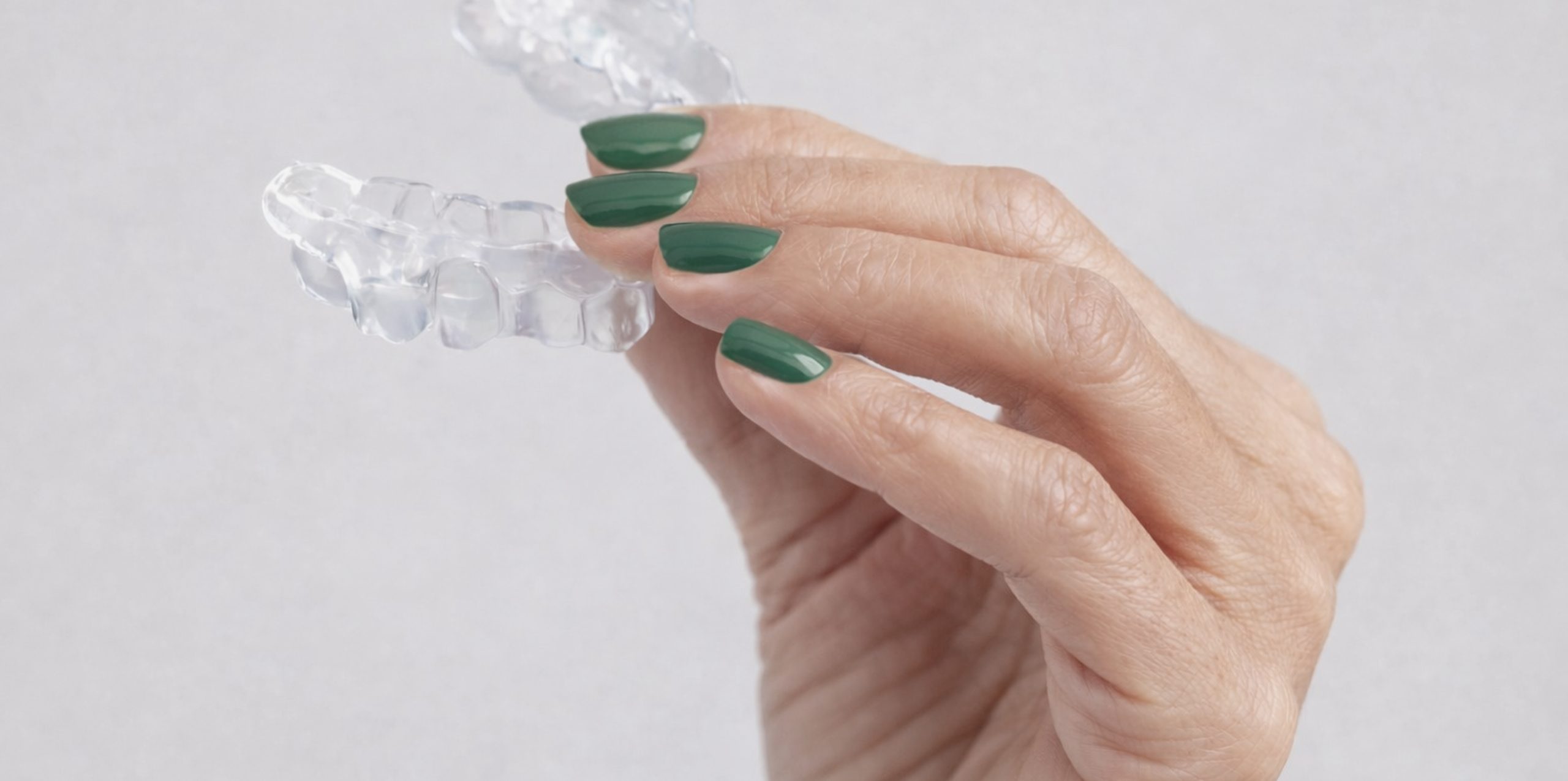
Your custom device is custom-fabricated using precise measurements for comfort and effectiveness. The device is fabricated based on individual dental impressions, ensuring an optimal fit and maximum comfort.
Fitting & Adjustment
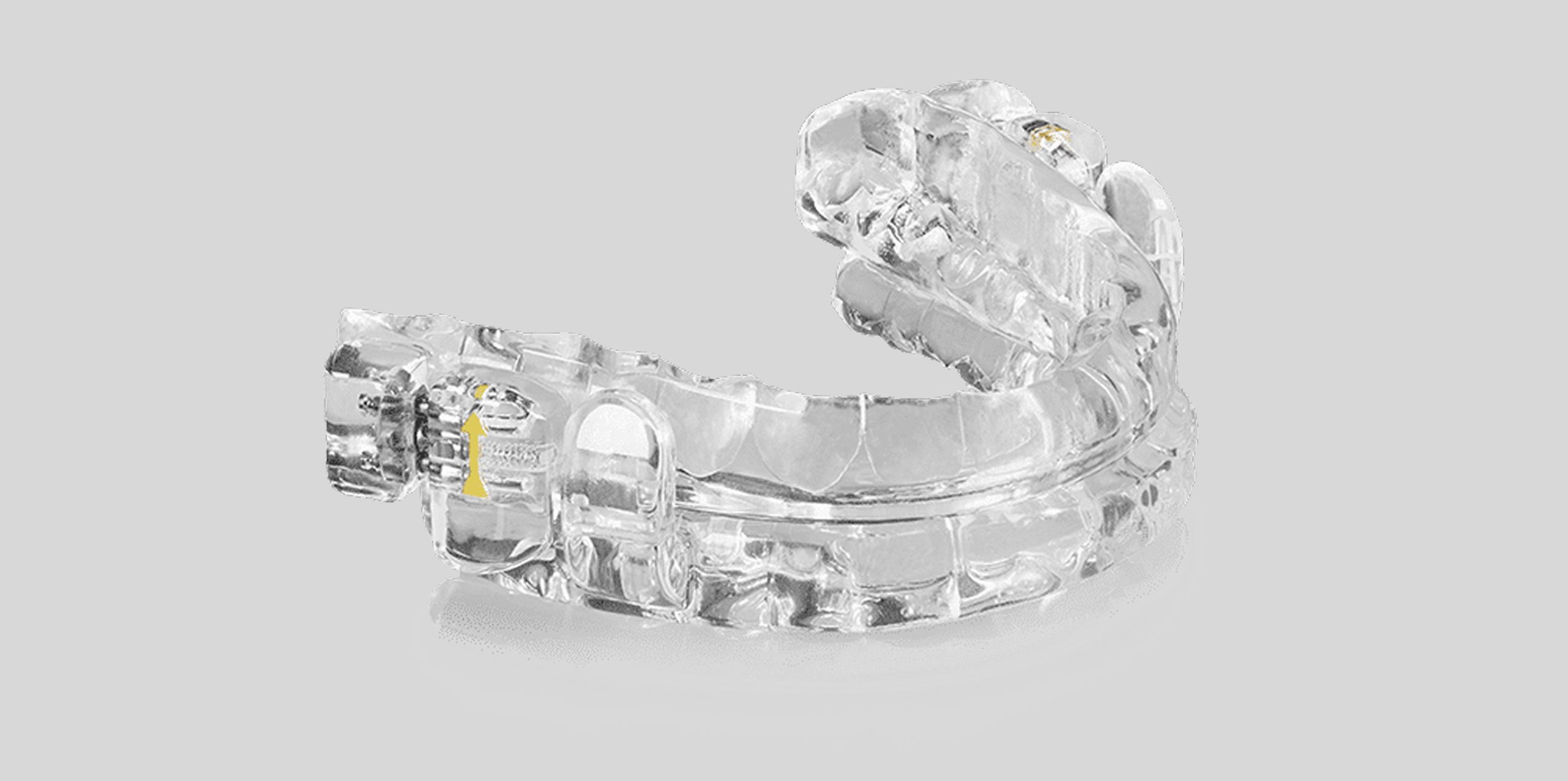
We ensure proper fit and make incremental adjustments to optimize airway support.
Follow-Up & Monitoring
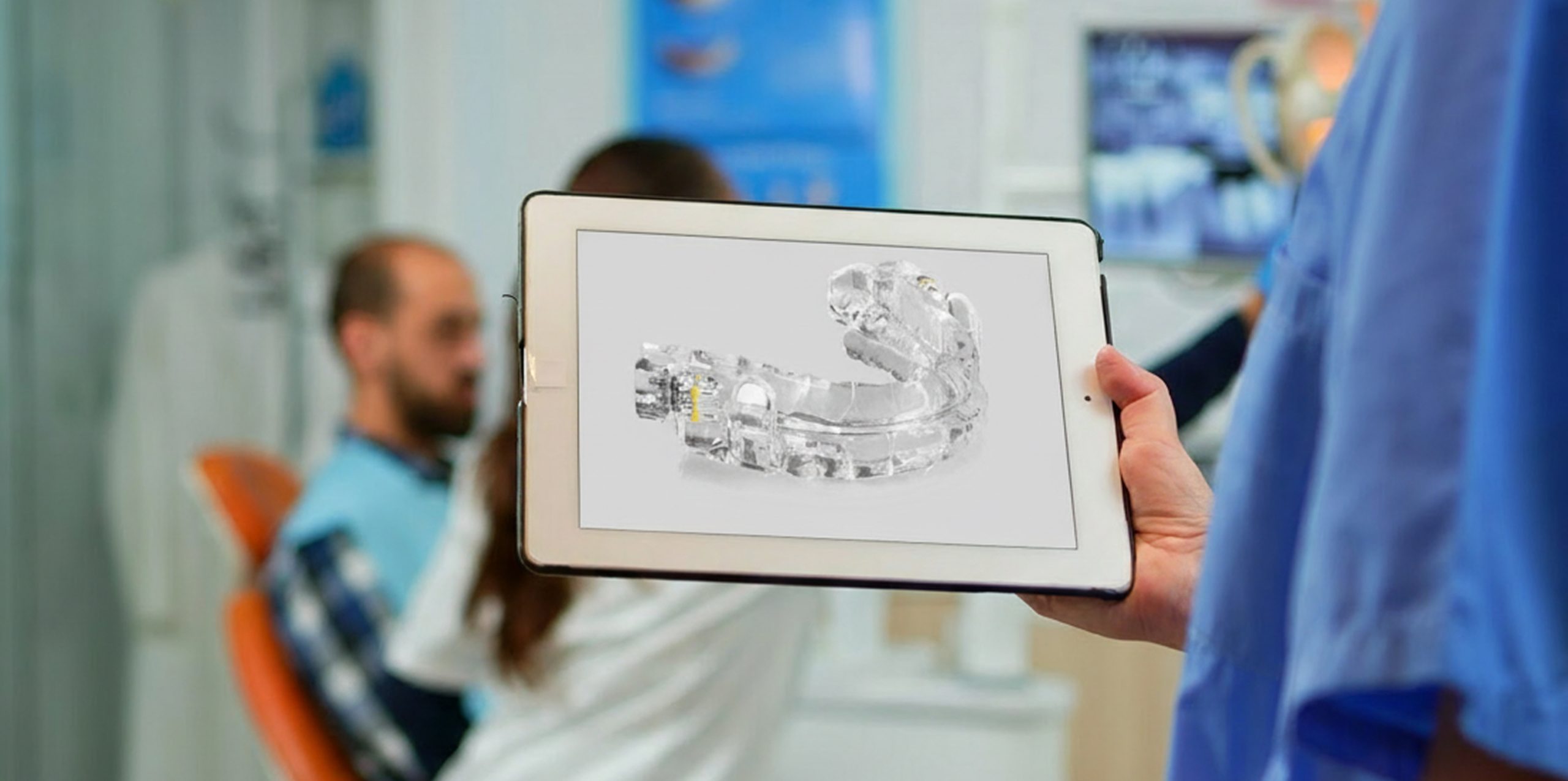
Ongoing follow-ups help maintain comfort, protect TMJ health, and confirm treatment success.

Why Choose Cascade TMJ and Airway for Oral Device Therapy?
- Airway-centered, whole-body philosophy
- Advanced training in sleep and TMJ disorders
- TMJ-safe, customized appliance selection
- Evidence-based care guided by sleep data
- Education-first, no-pressure approach
We don’t believe sleep treatment should feel overwhelming or restrictive. Oral device therapy offers a path toward better sleep that fits naturally into your life.
Frequently Asked Questions
What is oral appliance therapy and how does it help sleep apnea?
Oral appliance therapy uses custom-made devices worn during sleep to keep the airway open. These sleep apnea oral appliances gently reposition the jaw and tongue to improve airflow, reduce breathing pauses, and support deeper, more restorative sleep.
Does oral appliance therapy work for everyone?
Oral appliance therapy works for many patients with mild to moderate sleep apnea and for some individuals who cannot tolerate CPAP. A provider trained in dental sleep medicine evaluates your airway, jaw position, and breathing patterns to determine if you’re a good candidate. Many patients with mild sleep apnea or moderate OSA respond well to oral appliance therapy when properly evaluated and monitored.
What is the role of dental sleep medicine in treatment?
Dental sleep medicine focuses on how oral structures affect breathing during sleep. Specialists design and adjust sleep apnea oral appliances to ensure comfort, safety, and long-term effectiveness as part of a personalized care plan.
Take the First Step Toward Better Sleep
If CPAP isn’t working for you — or if you’re exploring alternatives — oral device therapy may provide the comfort, effectiveness, and sustainability you’ve been looking for.
Schedule your oral device therapy consultation today and take the first step toward quieter nights, healthier breathing, and restorative sleep.