
What Is
Sleep Apnea?
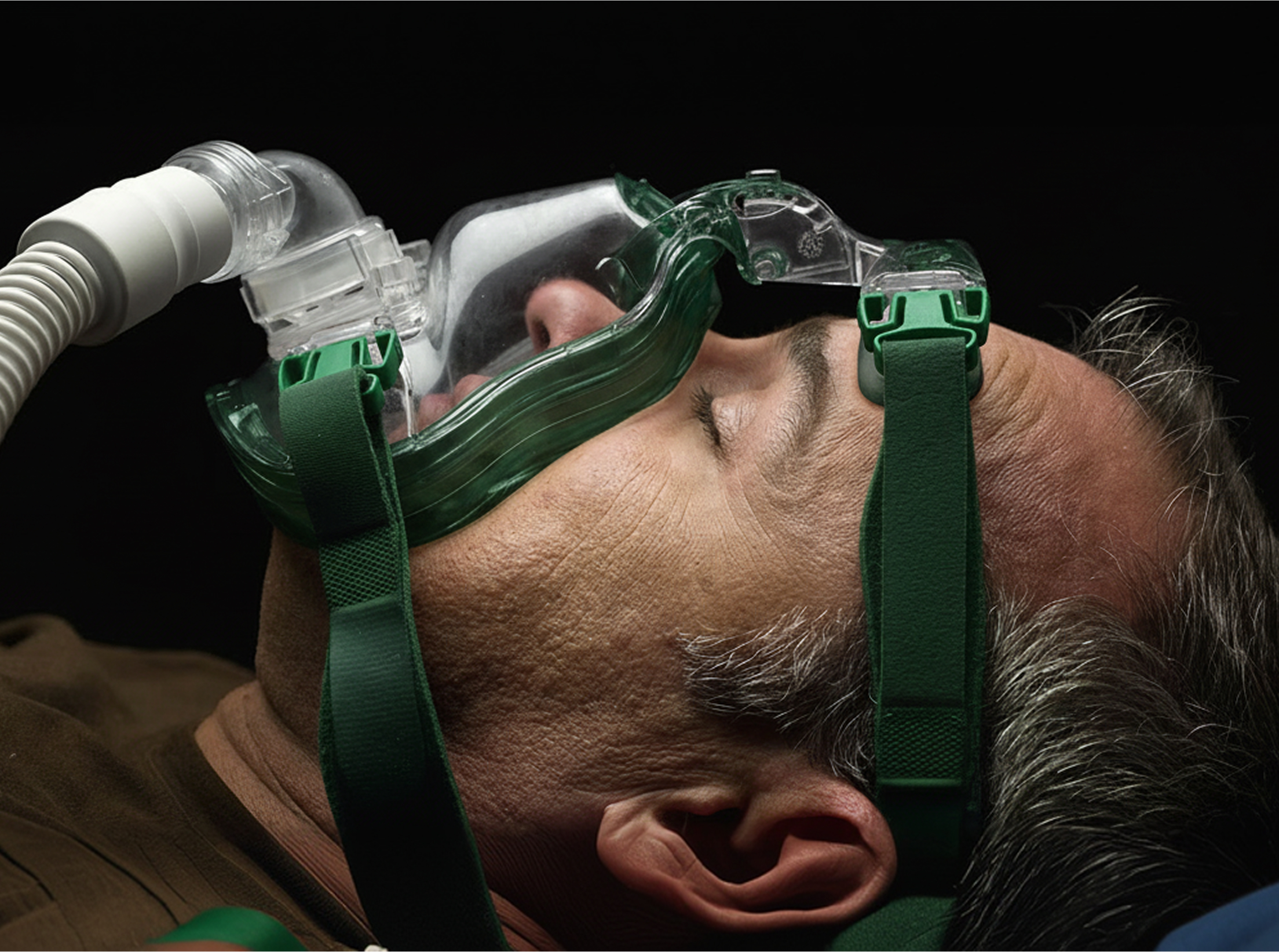
Many people ask, what is sleep apnea? It is a sleep-related breathing disorder characterized by repeated episodes where breathing slows, becomes shallow, or briefly stops during sleep. Left untreated, it may contribute to fatigue, cardiovascular strain, cognitive challenges, and a diminished quality of life.
Sleep apnea is a sleep-related breathing disorder marked by abnormal breathing patterns, including repeated pauses, shallow breathing, or airflow restriction during sleep.
At Cascade TMJ and Airway, we specialize in understanding the airway mechanics that cause sleep apnea and other breathing related issues.
About Sleep Apnea
Sleep apnea is a disorder that causes repeated pauses in breathing during sleep. These interruptions disrupt sleep and lower oxygen levels. There are three main types of sleep apnea:
According to the American Academy of Sleep Medicine (AASM), sleep apnea is more common in men than women, and older adults are at higher risk. Sleep apnea may be genetic, as it can be seen in several members of the same family.
How Sleep Apnea Affects the Body
When the airway narrows or collapses during sleep, the brain senses that oxygen levels are dropping. In response, it momentarily arouses you so that you briefly wake to continue breathing. People with sleep apnea may also wake up choking or gasping for air. Repeated airway collapse causes drops in blood oxygen levels, triggering stress responses that strain the cardiovascular system.
When people stop breathing during sleep, oxygen levels drop and the brain briefly arouses the body to restore airflow.
This cycle of interrupted breathing can:
- Fragment sleep cycles
- Elevate stress hormones
- Reduce oxygen delivery to organs
- Increase cardiovascular workload
- Cause breathing problems and headaches due
Research from PubMed has linked untreated sleep apnea with:
- High blood pressure
- Heart disease
- Stroke
- Type 2 diabetes
- Cognitive impairment
- Mood changes and daytime fatigue
The National Heart, Lung, and Blood Institute (NIH) notes that people with sleep apnea often wake up feeling unrefreshed, even after a full night in bed, because the restorative cycles of deep sleep are repeatedly interrupted. Research has also linked untreated sleep apnea to metabolic conditions such as insulin resistance and nonalcoholic fatty liver disease, likely due to chronic oxygen deprivation and systemic inflammation.
These breathing disruptions often occur soon after a person fall asleep, fragmenting normal sleep cycles and preventing the body from reaching deeper, restorative stages of sleep.
What Causes Sleep Apnea?

Obstructive Mechanisms
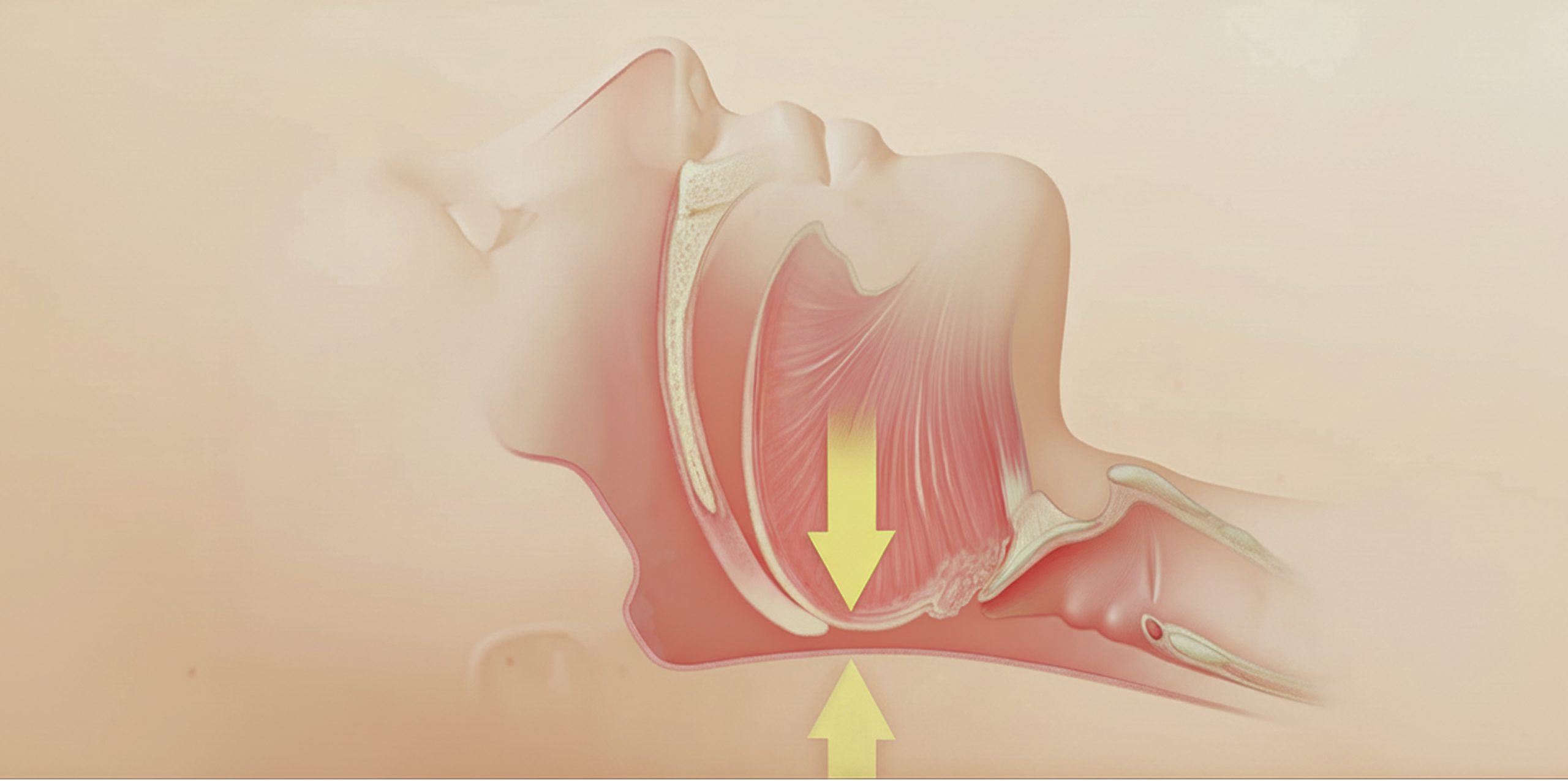
With obstructive sleep apnea (OSA), the tissues at the back of the throat collapse or block airflow during sleep. Obstructive sleep apnea develops when relaxation of the upper airway muscles allows tissues to collapse and block airflow during sleep.
There are many reasons this can happen:
- Excess soft tissue in the airway
- Tongue and jaw position
- Narrow dental arches or high-arched palate
- Enlarged tonsils or adenoids
- Nasal congestion or deviated septum
- Mouth breathing pattern
Neurological Contributors
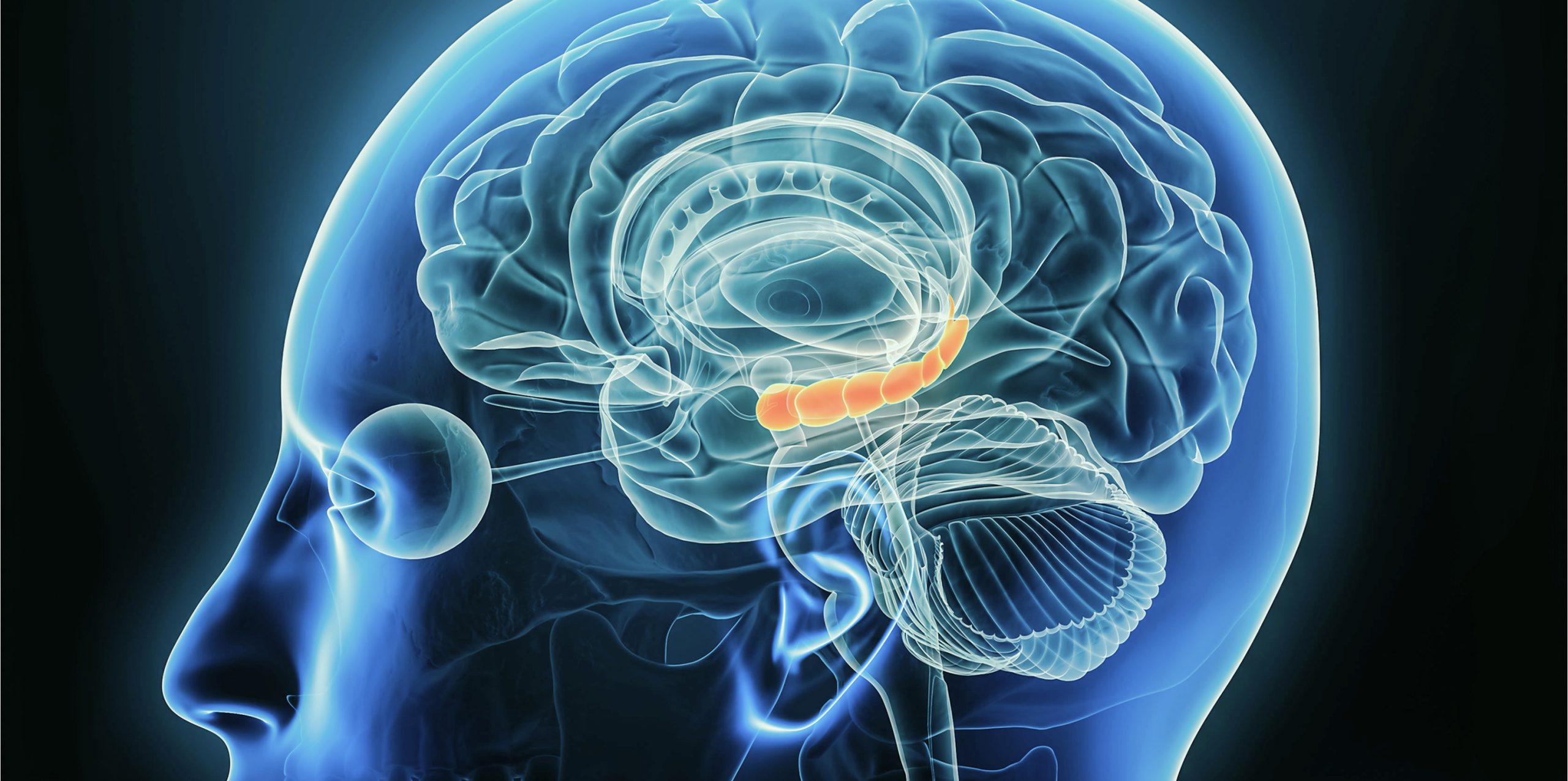
With central sleep apnea (CSA), the brain doesn’t consistently signal the muscles that control breathing. This form is less common and often appears alongside neurological or cardiac conditions.
Risk Factors
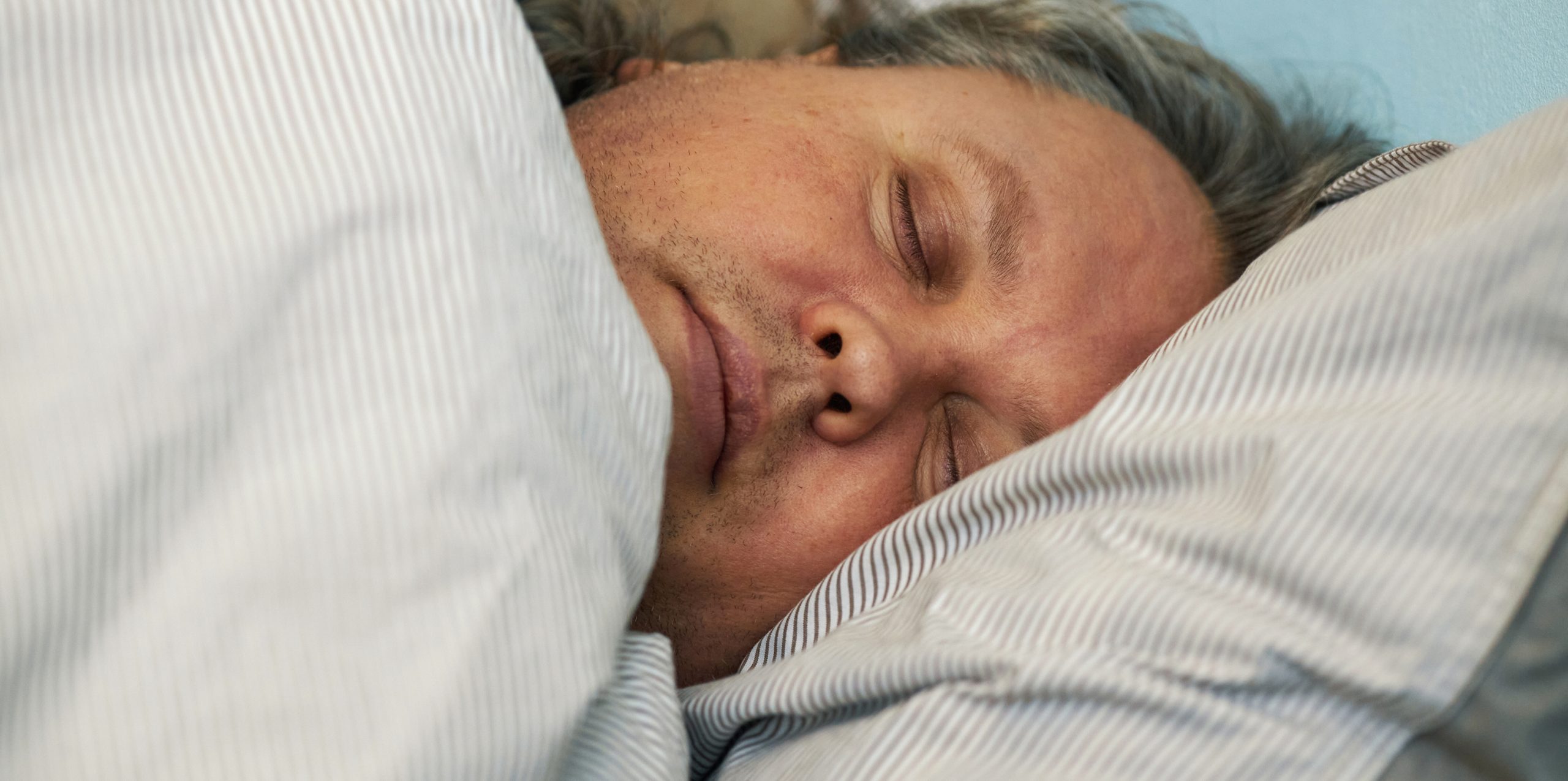
Sleep apnea can impact anyone, but the likelihood increases with:
- Age
- Excess weight
- Family history
- Certain craniofacial patterns
- Alcohol or sedative use
- Smoking
Common Signs & Symptoms
Sleep apnea isn’t always obvious. Some people think snoring is the only symptom, but sleep apnea can include many different indicators that impede not only your sleep, but your whole life:
Typical symptoms include:
- Loud or disruptive snoring
- Snore loudly
- Loud snoring
- Pauses in breathing observed by a partner
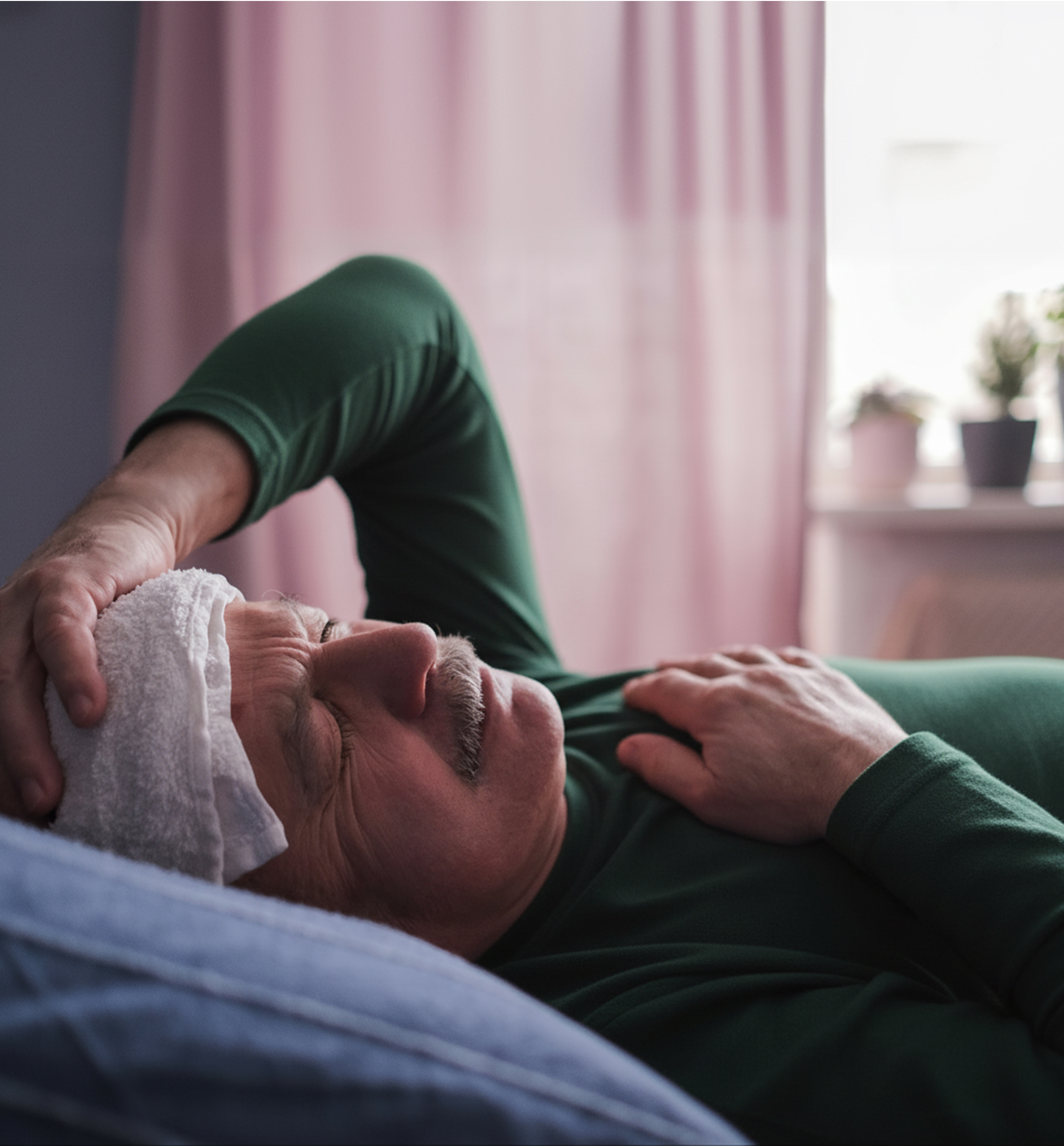
- Morning headaches
- Waking up gasping or choking
- Excessive daytime sleepiness
- Difficulty concentrating
- Mood swings or irritability
- Dry mouth or sore throat in the morning
How Sleep Apnea Is Diagnosed
The diagnostic process for sleep apnea and other sleep disorders involves a series of steps conducted by a doctor or sleep specialist. When sleep apnea diagnosed through an in-lab sleep study or at-home sleep testing, providers can determine the type, severity, and most appropriate treatment approach. Doctors use sleep studies and breathing assessments to diagnose sleep apnea and determine its severity.
Depending on symptoms and risk factors, patients may be referred to a sleep clinic for in-lab testing or advanced evaluation when additional monitoring is needed.
There are two common models:
Treatment Options for Sleep Apnea
Sleep apnea treatment focuses on keeping the airway open during sleep, improving breathing stability, and reducing health risks associated with repeated oxygen drops.
CPAP Therapy
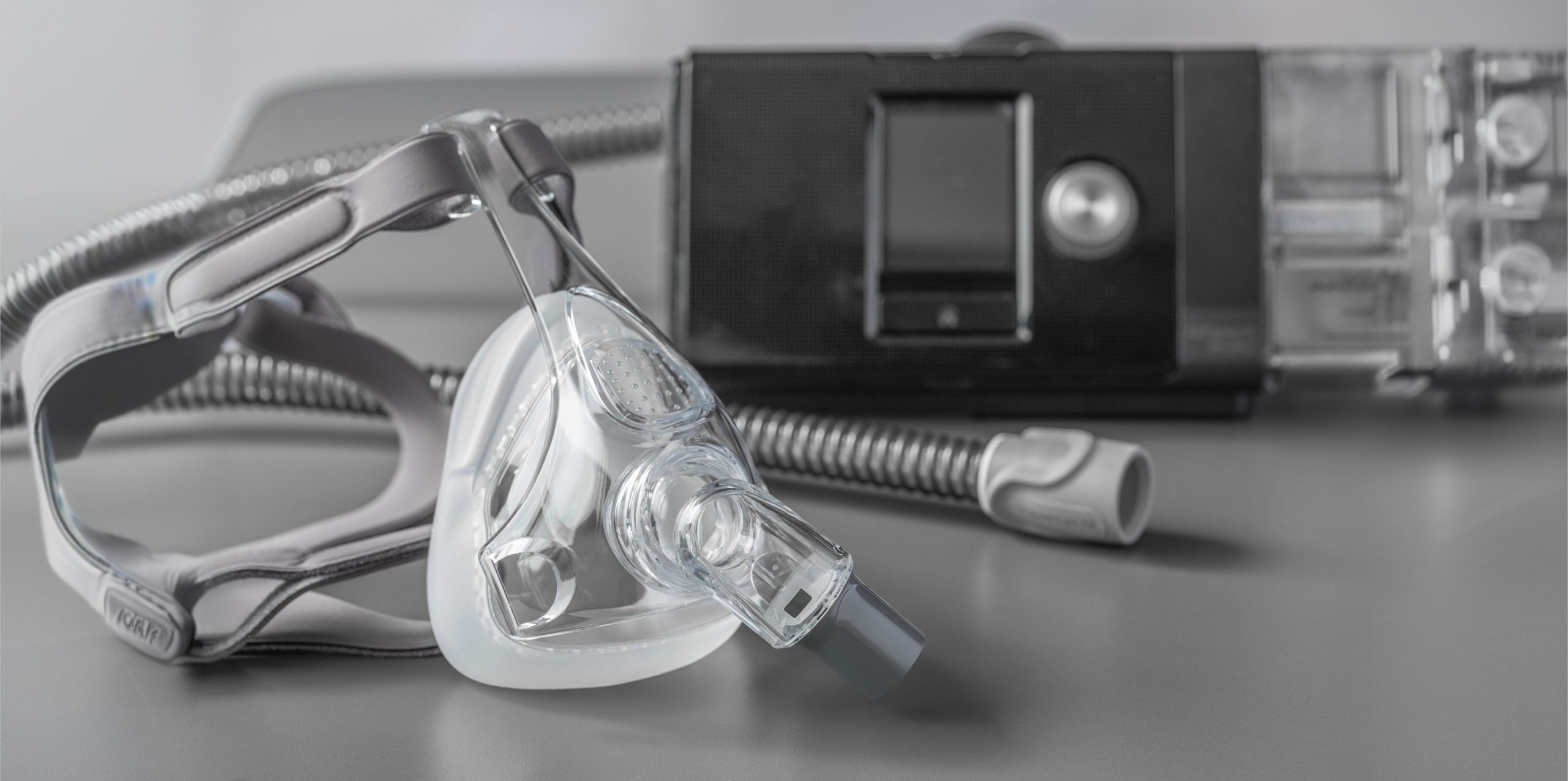
Continuous Positive Airway Pressure (CPAP) is a common treatment that uses a mask and machine to keep the airway open with a stream of air. CPAP is effective for many patients but not always tolerated well due to discomfort, noise or challenges with the mask.
Oral Appliance Therapy
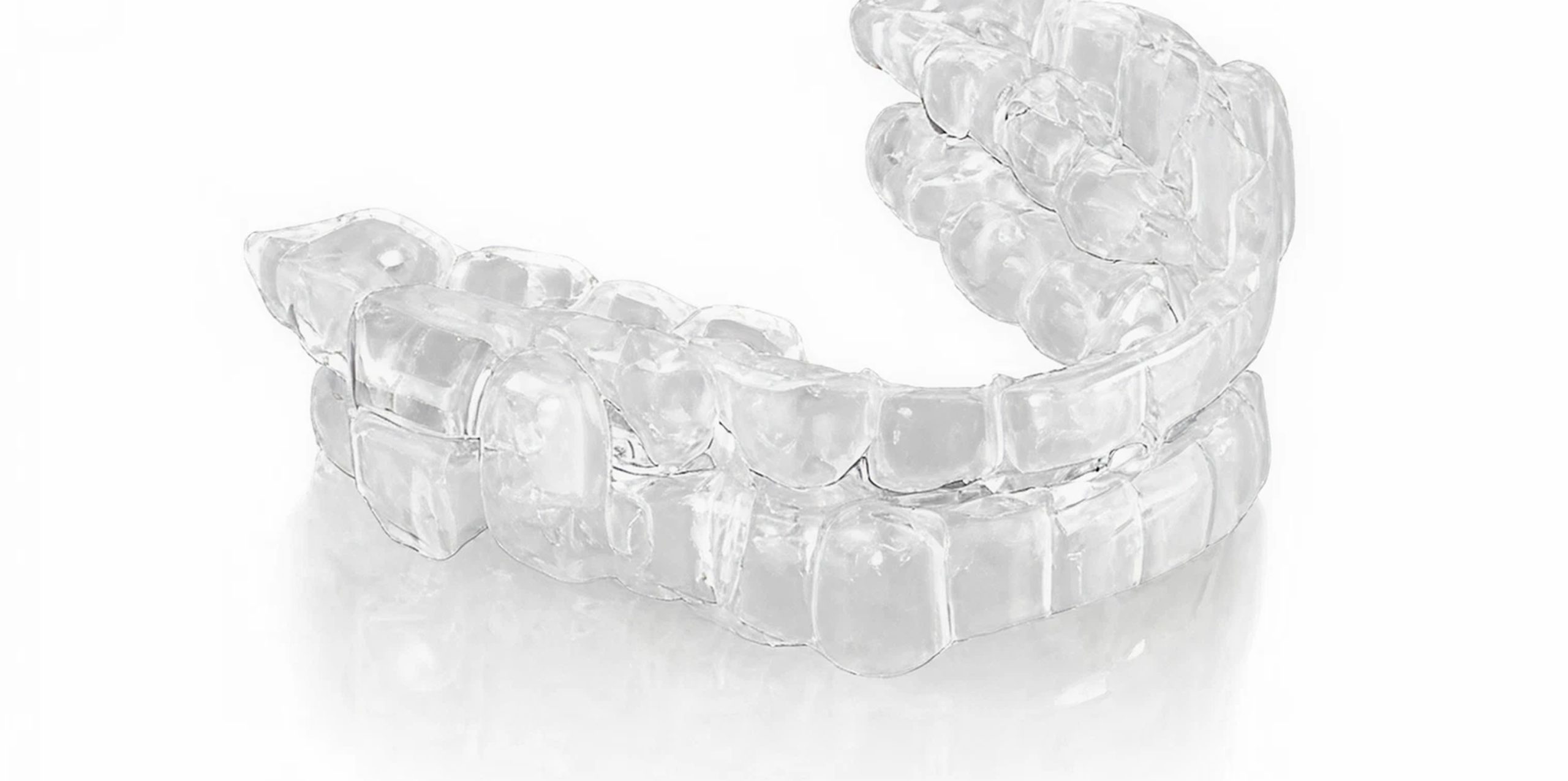
Patients who cannot tolerate CPAP or have mild-to-moderate OSA, oral devices can reposition the jaw and tongue to reduce airway collapse during sleep. These custom appliances are a comfortable, portable alternative when appropriately prescribed. Oral appliance therapy is often recommended for patients with mild sleep apnea or those who cannot tolerate CPAP therapy.
Orthodontic & Airway-Focused Solutions

In some adults, airway orthodontics can expand dental arches and improve tongue space, which may help breathing during sleep–particularly when tested and guided by a comprehensive airway evaluation.
Preventing Sleep Apnea
While not all cases of sleep apnea can be prevented, there are several lifestyle changes that can help lower your risk and support better sleep. Taking proactive steps can make a significant difference, especially if you have known risk factors or a family history of sleep apnea.
Helpful lifestyle changes may include:
- Maintain a healthy weight: Excess weight, especially around the neck, can increase the risk of airway narrowing and sleep apnea.
- Avoid smoking and excessive alcohol: Both can relax the throat muscles and contribute to airway obstruction during sleep.
- Exercise regularly: Physical activity supports healthy breathing patterns and overall wellness.
- Adjust your sleeping position: Sleeping on your side rather than your back can help keep the airway open.
- Use a humidifier: Keeping the air moist may reduce airway irritation and improve comfort during sleep.
- Know your risk factors: If you have a family history of sleep apnea or other risk factors, be especially vigilant about your sleep health.
- Regular check-ups: Routine visits with your healthcare provider can help identify early signs of sleep apnea and allow for timely intervention.
By making these lifestyle changes and staying aware of your risk factors, you can help reduce the likelihood of developing sleep apnea and support healthier, more restful sleep.
What to Expect at Your First Visit
When you come to Cascade TMJ and Airway for sleep evaluation, you’ll receive:
- A comprehensive consultation focused on symptoms, airway structure, and lifestyle
- A physical exam to assess risk factors and evaluate symptoms
- Discussion of your sleep patterns and history
- Evaluation of jaw function, breathing mechanics, and sleep risk factors
- Recommendations for testing (in-lab or at-home), if indicated
- A personalized plan that aligns with your health goals
Our approach prioritizes education and partnership, so you understand each step.

Frequently Asked Questions
What’s the difference between obstructive sleep apnea and central sleep apnea?
Obstructive sleep apnea is caused by a physical airway blockage during sleep, while central sleep apnea occurs when the brain doesn’t send proper signals to breathe. Both disrupt oxygen levels and sleep quality. Recognizing the symptoms of sleep apnea early can lead to faster diagnosis and more effective treatment.
What happens after sleep apnea is diagnosed?
When sleep apnea is diagnosed, your provider determines the type and severity and creates a personalized sleep apnea treatment plan to safely treat sleep apnea and improve long-term health.
Modern sleep medicine focuses on identifying the underlying causes of breathing disruption and tailoring treatment to each patient’s airway, anatomy, and health needs.
Can sleep apnea be treated successfully?
Yes. With proper care, sleep apnea can be treated using therapies like CPAP, oral appliances, or airway-focused solutions. When sleep apnea treated correctly, many patients experience better energy, focus, and sleep. When sleep apnea treated appropriately, many patients experience improved energy, better focus, and more restorative sleep.
Take the First Step Toward Restful Sleep
Understanding sleep apnea is the first step toward getting the uninterrupted, restorative sleep your body needs. Sleep apnea is not something you just live with — it’s a treatable condition, and airway-focused care can make a meaningful difference.
Schedule your sleep apnea consultation today and begin the journey toward better breathing, better sleep, and better health.