CPAP Alternative Options for Sleep Apnea
CPAP therapy is widely used to treat sleep apnea, but it is not the right fit for everyone. Many patients experience discomfort, noise, or difficulty using CPAP consistently. CPAP alternatives offer effective ways to treat obstructive sleep apnea by addressing airway structure, muscle function, and breathing patterns rather than relying on pressurized airflow alone.
CPAP alternatives play an important role in managing sleep apnea by addressing airway structure, muscle function, & sleep habits in ways that fit a patient’s daily life.
At Cascade TMJ and Airway, we provide airway-centered, personalized care by evaluating anatomy, breathing patterns, and sleep health. This approach helps us recommend CPAP alternatives that fit your lifestyle and support long-term results. For patients who struggle with CPAP, a range of evidence-based alternative treatments can be used to improve airway function, reduce snoring, and support healthier sleep.
Diagnosis and treatment planning are guided by collaboration with a sleep physician, ensuring recommendations are based on comprehensive sleep evaluation and medical oversight. CPAP alternatives play an important role in treating OSA by addressing airway structure, muscle function, and breathing patterns rather than relying on pressurized airflow alone.
CPAP and Its Limitations in Obstructive Sleep Apnea
Even when prescribed CPAP therapy is clinically effective, some patients struggle with long-term comfort, adherence, or lifestyle limitations that make consistent use difficult.
Common challenges patients experience with CPAP include:
- Mask discomfort or poor fit
- Dry mouth or nasal irritation
- Noise that disrupts sleep
- Difficulty traveling with the device
- Claustrophobia or anxiety with wearing a mask
According to the American Sleep Association, up to 50% of CPAP users discontinue therapy within the first year, highlighting the need for comfortable, effective alternatives.
For many patients, CPAP alternatives are not only more tolerable but also address underlying structural and functional causes of sleep apnea, leading to long-term improvement in sleep and overall health. Most CPAP alternatives are designed to treat obstructive sleep apnea OSA, a condition caused by airway collapse during sleep rather than problems with breathing signals from the brain.
In contrast, central sleep apnea occurs when breathing interruptions are related to how the brain signals breathing rather than physical airway obstruction. In select cases, bilevel positive airway pressure may be recommended when standard CPAP therapy is not well tolerated or when testing identifies breathing patterns that require different pressure support.
In select cases, expiratory positive airway pressure may be used as a compact option that provides resistance during exhalation to help support airway stability during sleep.
Non-Invasive CPAP Alternatives
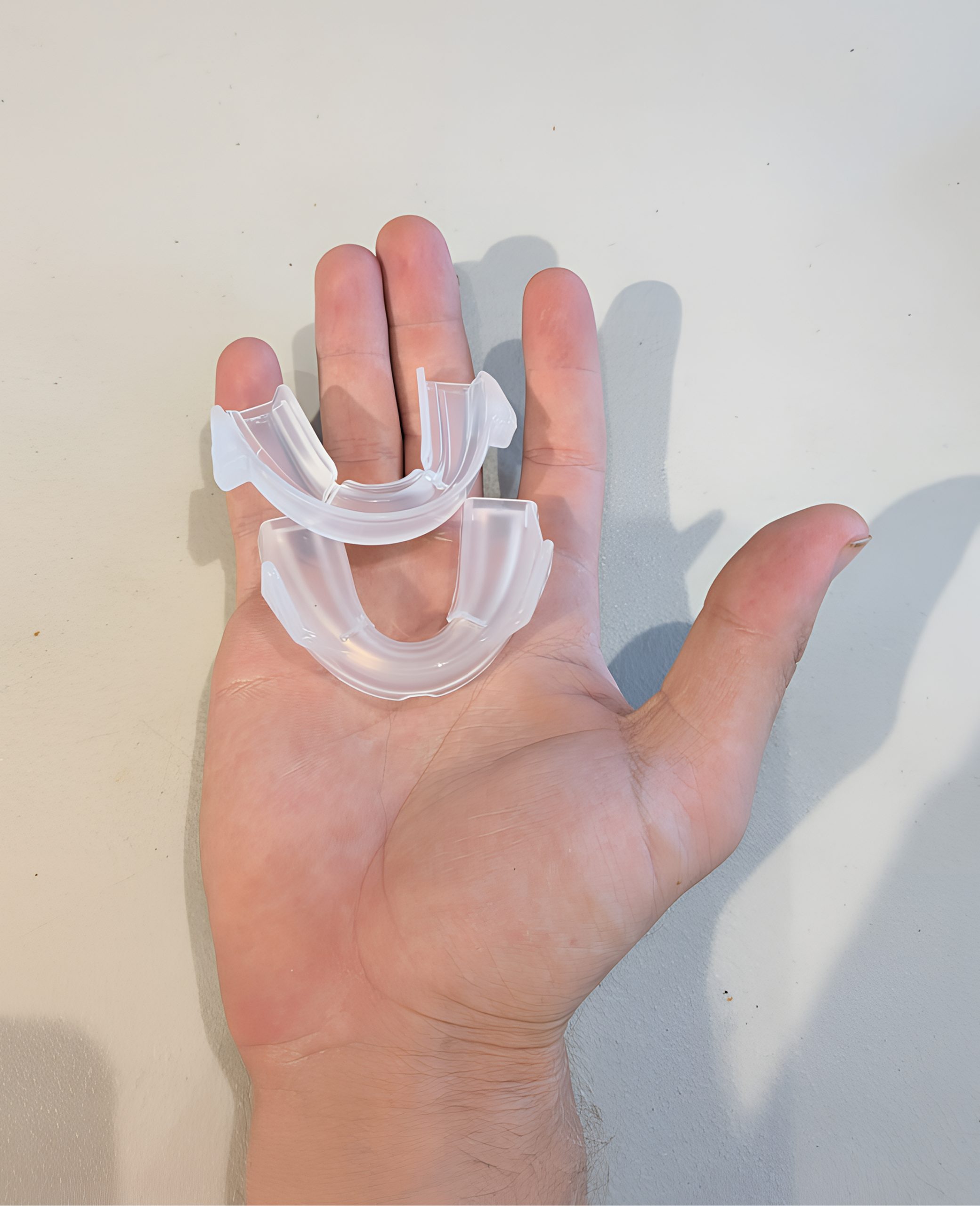
Oral Appliance Therapy
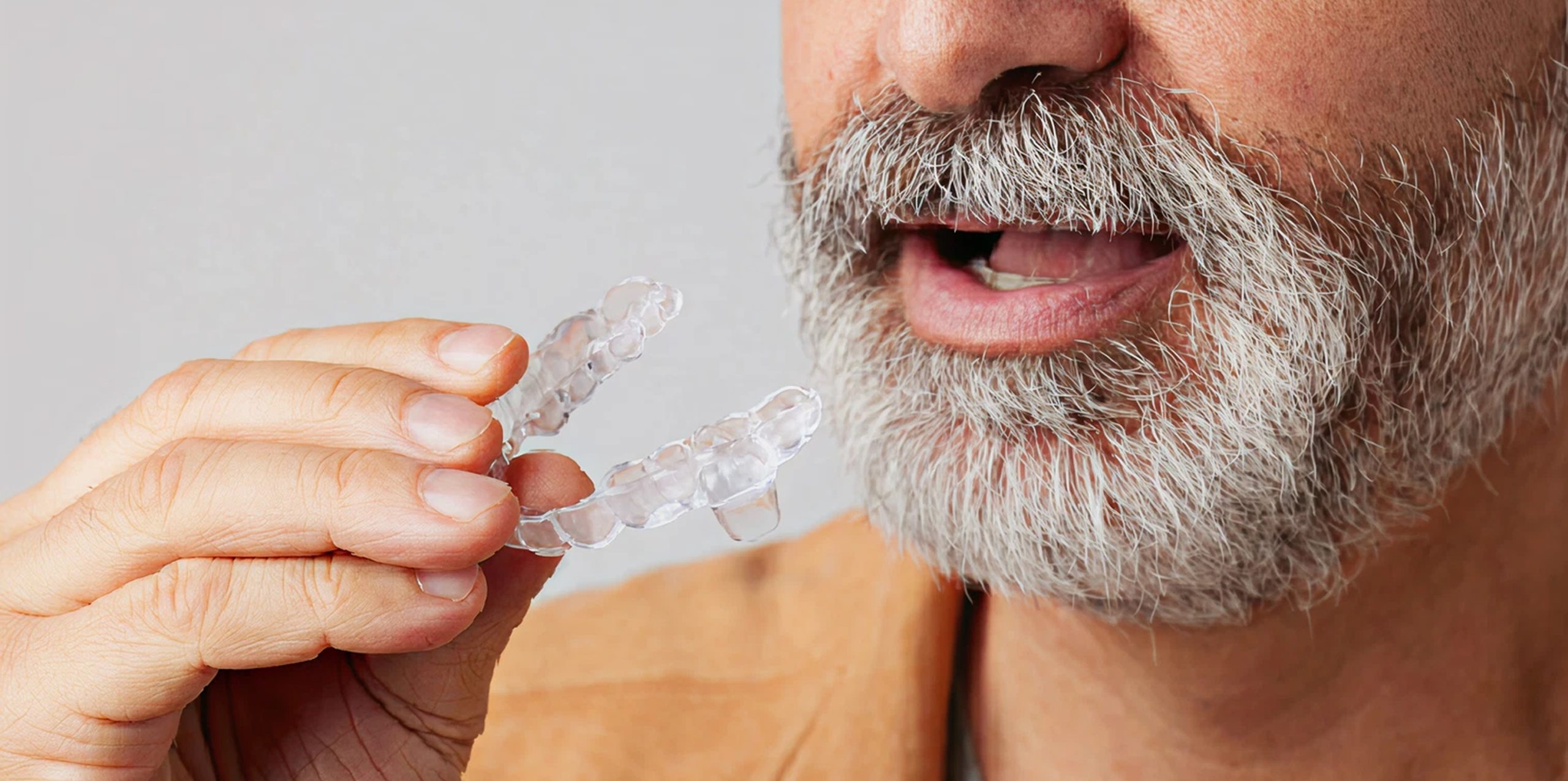
Oral appliance therapy is one of the most well-studied and effective CPAP alternatives for mild to moderate obstructing sleep apnea. In select cases, oral pressure therapy may be discussed as a
non-invasive option that uses gentle negative pressure to help maintain airway patency during sleep.
The devices are custom-fitted to the patient’s mouth and work by:
- Repositioning the lower jaw and tongue to keep the airway open
- Reducing snoring and airway obstruction
- Being comfortable, portable, and easy to use
- Mandibular advancement devices, a specific type of oral appliance, cover the upper and lower teeth and keep the jaw in a position that prevents it from blocking the upper airway.
Research from the American Academy of Sleep Medicine (AASM) confirms that oral appliances are effective for patients who cannot tolerate CPAP.
At Cascade TMJ and Airway, our oral appliances are TMJ-safe, adjustable and designed for long-term comfort, offering a practical alternative to nightly CPAP use.
Airway-Focused Orthodontics
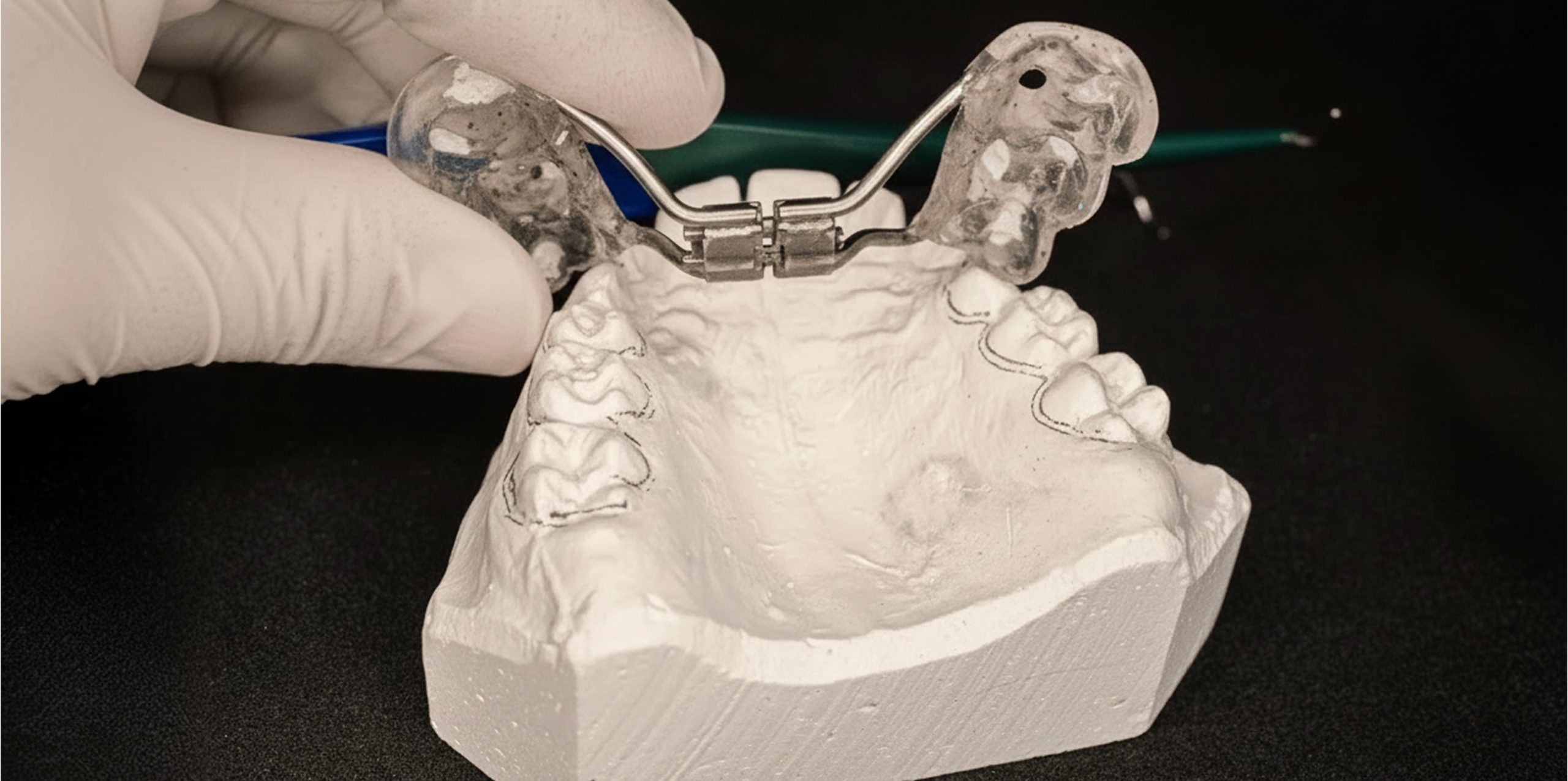
Some adults have structural airway restrictions that contribute to obstructive sleep apnea. Airway orthodontics can expand the dental arches, create more tongue space and improve airflow during sleep.
These interventions may also help support the soft tissues of the throat, reducing the risk of airway collapse during sleep.
Positional Therapy
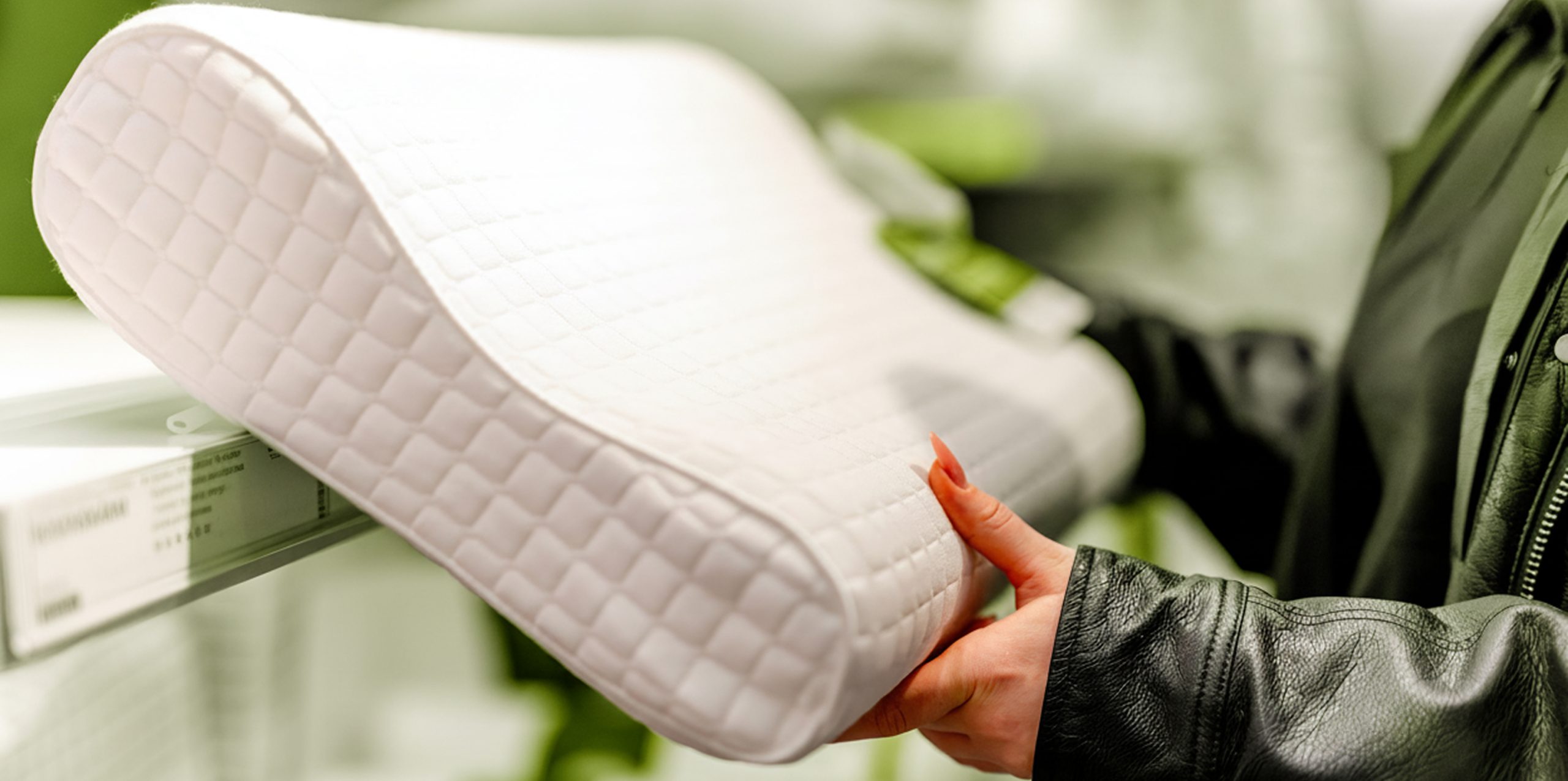
Some patients experience positional sleep apnea, where breathing interruptions occur primarily when sleeping on the back. Positional therapy involves:
- Special pillows or wearable devices that encourage side sleeping & help modify sleeping position
- Monitoring and gently reminding patients to avoid back-sleeping
- Combining with other therapies, such as oral appliances, for enhanced results
While positional therapy is most effective in mild cases, it can be a valuable component of a multi-modal CPAP alternative plan. The National Heart, Lung, and Blood Institute (NIH) highlights positional therapy as a safe and non-invasive way to reduce apnea events in certain patients.
Myofunctional Therapy
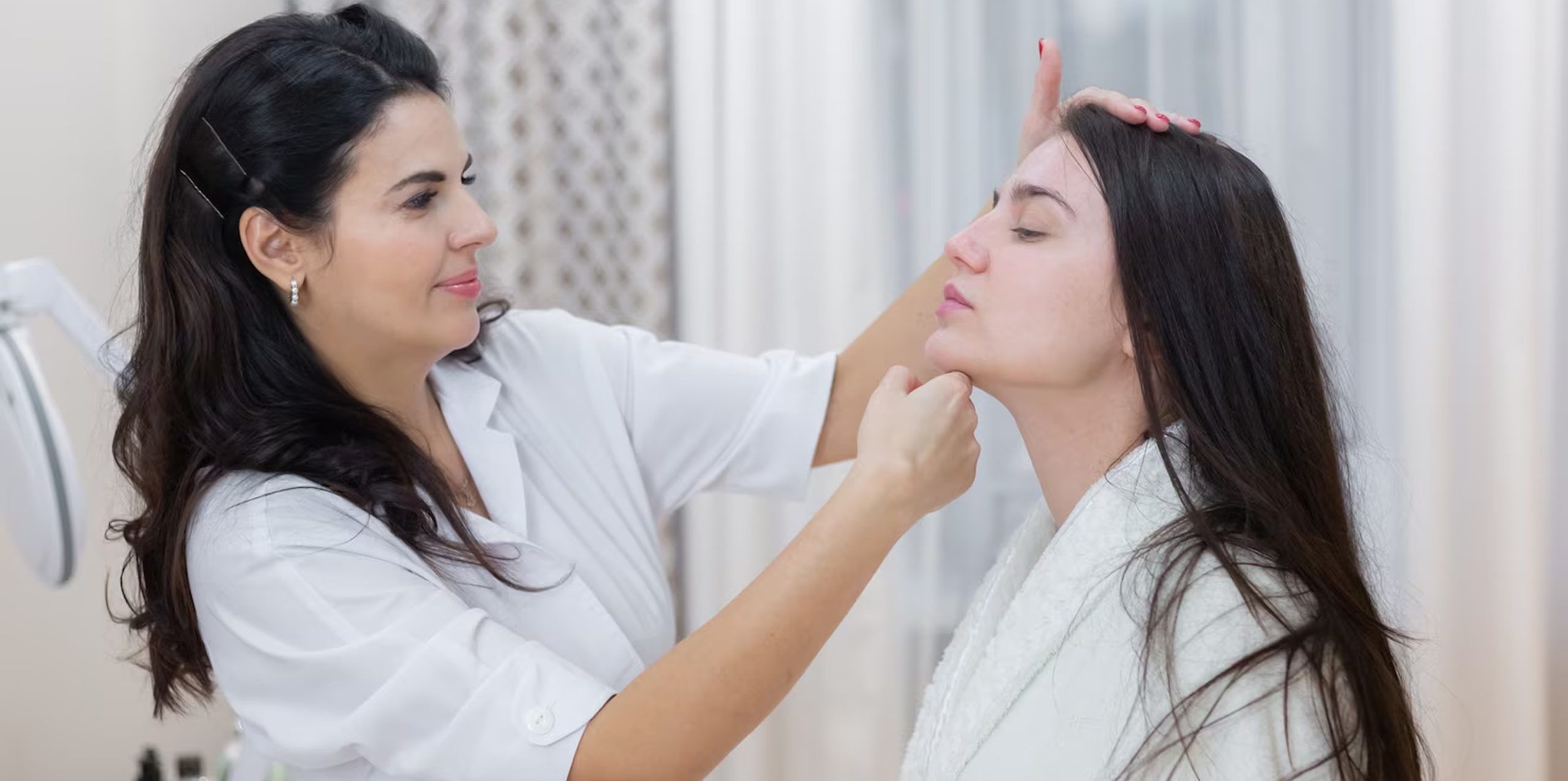
Myofunctional therapy involves exercises targeting the tongue, facial muscles and throat musles to improve airway stability during sleep. Research suggests that consistent myofunctional exercises can:
- Reduce apnea and hypopnea events
- Strengthen throat muscles and other muscles that support the airway
- Reduce snoring
- Enhance the effectiveness of oral appliances
For patients seeking CPAP alternatives, combining myofunctional therapy with oral appliance therapy or orthodontics can lead to long-term improvements in airway function.
Surgical Options for Sleep Apnea
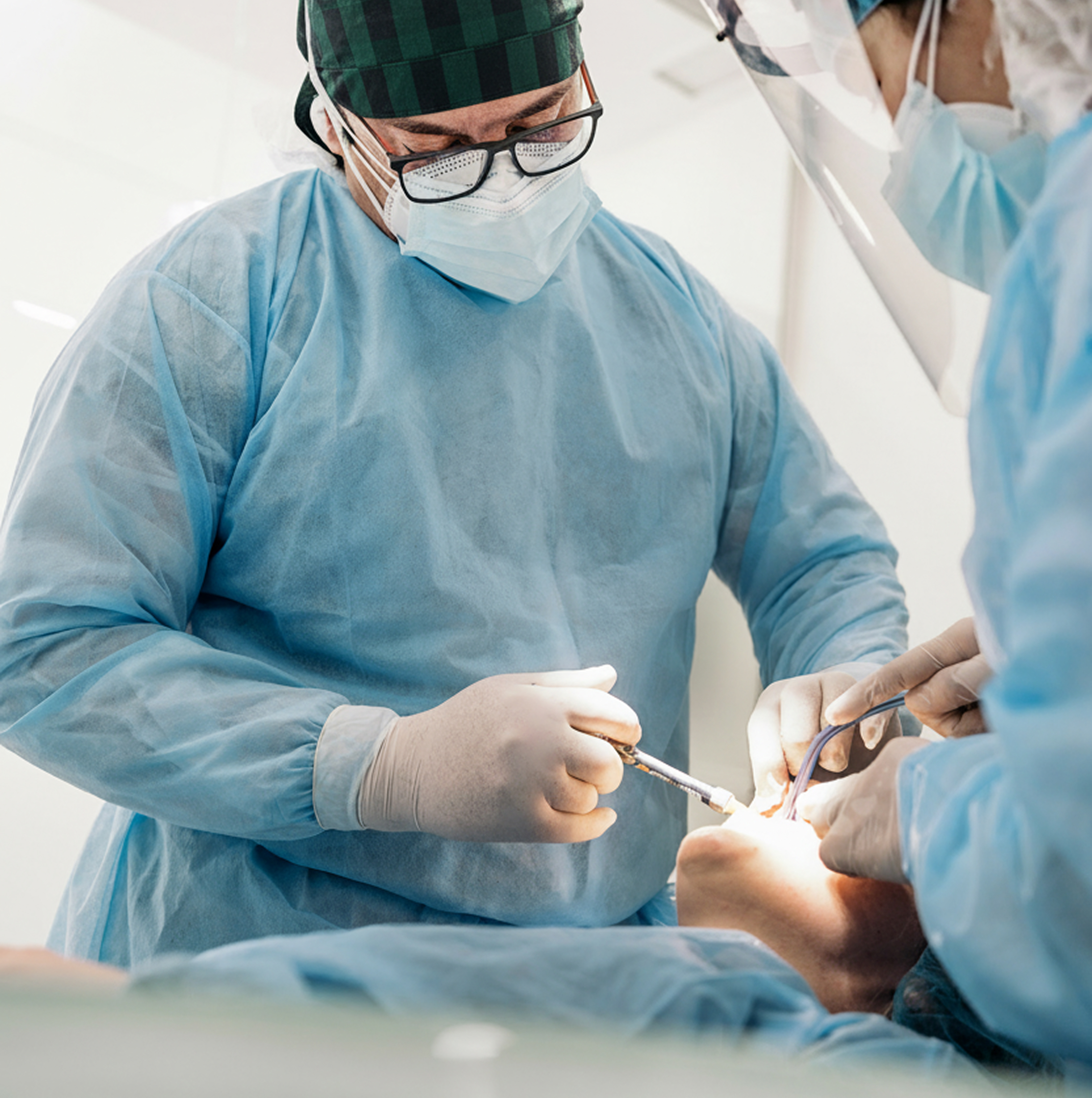
In severe cases, surgical or advanced treatment options may be considered when non-invasive therapies do not provide adequate relief.
For some individuals with obstructive sleep apnea, sleep apnea surgery may be considered as part of a comprehensive treatment plan when non-invasive therapies are not effective or appropriate. In some cases, advanced options such as hypoglossal nerve stimulation may be considered for patients who cannot tolerate CPAP and meet specific medical criteria.
In certain cases, surgical procedures may be considered as part of a comprehensive treatment plan when non-invasive therapies are not effective or appropriate.
Surgical treatment may be considered when:
- The airway is narrowed or blocked due to excess or mispositioned tissue
- CPAP therapy is not tolerated or used consistently
- Oral appliance therapy has not provided adequate relief
- Structural anatomy contributes significantly to airway collapse
Who Benefits from CPAP Alternatives?
CPAP alternatives are most appropriate for adults who:
- Cannot tolerate CPAP masks or pressure
- Have mild sleep apnea or moderate sleep apnea
- Prefer non-invasive, quiet, and portable solutions
- Are motivated to address the root cause of their airway obstruction
- Have structural airway concerns that may respond to orthodontic or oral appliance interventions
Choosing an alternative requires proper diagnosis and airway evaluation to ensure safety and effectiveness. At Cascade TMJ and Airway, all patients undergo sleep apnea testing to guide treatment decisions and optimize outcomes. In select cases, advanced evaluation such as drug induced sleep endoscopy may be used to observe airway behavior during sleep-like conditions and better understand the specific source of airway collapse.
Combining CPAP Alternatives for Best Results
Many patients achieve the most effective outcomes when multiple CPAP alternatives are combined:
- Oral appliance therapy + positional therapy
- Airway orthodontics + myofunctional therapy
- Lifestyle adjustments + oral appliance
- Intensive lifestyle interventions + oral appliance
- Lifestyle changes (such as weight loss, quitting smoking, and avoiding alcohol) + positional therapy
This multi-modal approach addresses both structural and functional factors that contribute to airway obstruction, resulting in better sleep, reduced snoring, and improved energy and daytime function.
Lifestyle Considerations
For patients with obesity-related sleep apnea, weight-focused interventions — including bariatric surgery in select cases — may be discussed as part of a broader, medically supervised care plan.
Lifestyle modifications support any CPAP alternative program:
- Maintain a healthy weight and exercise regularly
- Intensive lifestyle interventions, including comprehensive lifestyle changes such as diet, exercise, and behavioral modifications
- Weight loss is crucial, as excess weight is a major risk factor for sleep apnea; losing weight can reduce the severity of symptoms
- A 10% weight loss predicts a 26% decrease in the apnea-hypopnea index (AHI)
- Lifestyle changes, including increased physical activity and sleeping position adjustments, can improve the severity of obstructive sleep apnea
- Avoid alcohol or sedatives before bedtime, as avoiding alcohol can help alleviate obstructive sleep apnea symptoms
- Practice consistent sleep schedules
Support nasal breathing over mouth breathing
These strategies enhance the effectiveness of oral appliances, orthodontic interventions, and positional therapy, creating a comprehensive plan for long-term sleep health.
Why Choose Cascade TMJ and Airway?
- Airway-centered care — addressing the root cause of sleep apnea, not just symptoms
- Evidence-based treatment — oral appliances, airway orthodontics, and myofunctional therapy
- Personalized, comfortable solutions tailored to your lifestyle
- Integration with sleep testing for accurate diagnosis and monitoring
- Education-first approach — we help patients understand their condition and treatment options
FAQs About CPAP Alternatives
Is continuous positive airway pressure the only sleep apnea treatment?
No. While continuous positive airway pressure (CPAP) is commonly prescribed, it is not the only effective sleep apnea treatment. Many patients benefit from non-invasive CPAP alternatives that improve comfort and long-term use.
Can CPAP alternatives help with severe obstructive sleep apnea?
In some cases, yes. Patients with severe obstructive sleep apnea or severe sleep apnea who cannot tolerate CPAP may benefit from alternative or combined therapies, depending on airway anatomy and breathing patterns.
How do I know if I have moderate obstructive sleep apnea?
Common sleep apnea symptoms include loud snoring, fatigue, and unrefreshing sleep. A sleep study is needed to determine whether you have mild, moderate obstructive sleep apnea, or severe sleep apnea and to guide the right treatment.
Take the First Step Toward Better Sleep
If CPAP isn’t right for you, know that safe, effective alternatives exist. From oral appliance therapy and airway orthodontics to positional therapy and myofunctional exercises, Cascade TMJ and Airway provides personalized, evidence-based solutions for improving airway function and sleep quality.
Schedule your consultation today and explore CPAP alternatives that can help you breathe easier, sleep better, and wake up refreshed.