
At-Home Sleep Testing
IN Wenatchee, WA
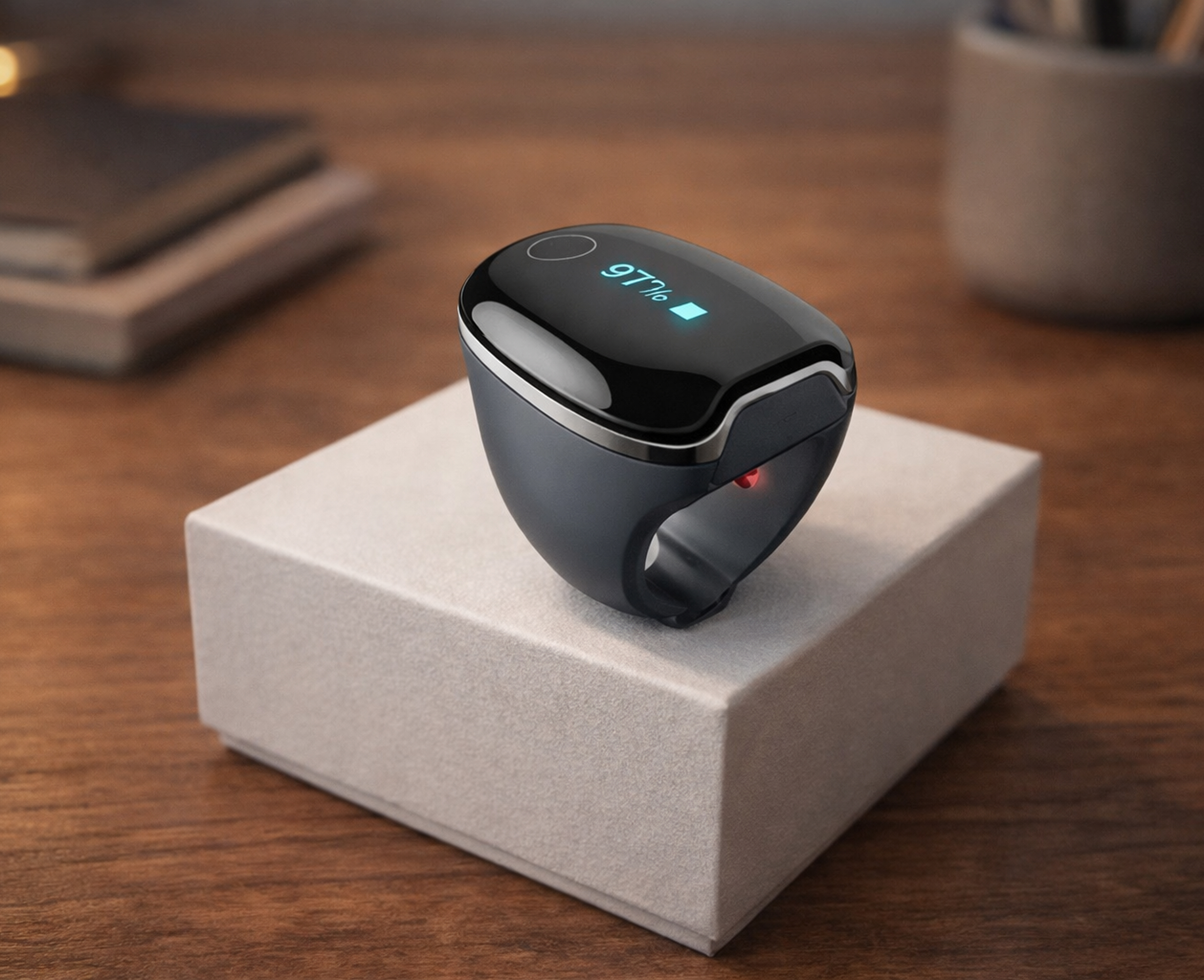
With options like at-home sleep testing, quality sleep is no longer a luxury—it’s a foundation of long-term health. Yet millions of adults and children struggle with poor sleep, breathing disruptions, snoring, fatigue, and brain fog without realizing that an underlying sleep or airway disorder may be the cause.
Yet millions of adults and children struggle with poor sleep, breathing disruptions, snoring, fatigue, and brain fog—often without realizing why restful sleep feels out of reach. Sleep apnea can interfere with the body’s ability to achieve a good night’s rest, even when you spend enough time in bed.
At Cascade TMJ and Airway, we offer at-home sleep testing as a convenient, reliable way to evaluate your breathing and sleep patterns in the comfort of your own home. Breathing disruptions during sleep are often linked to how the upper airway functions when muscles relax at night.
What Is At-Home Sleep Apnea Testing?
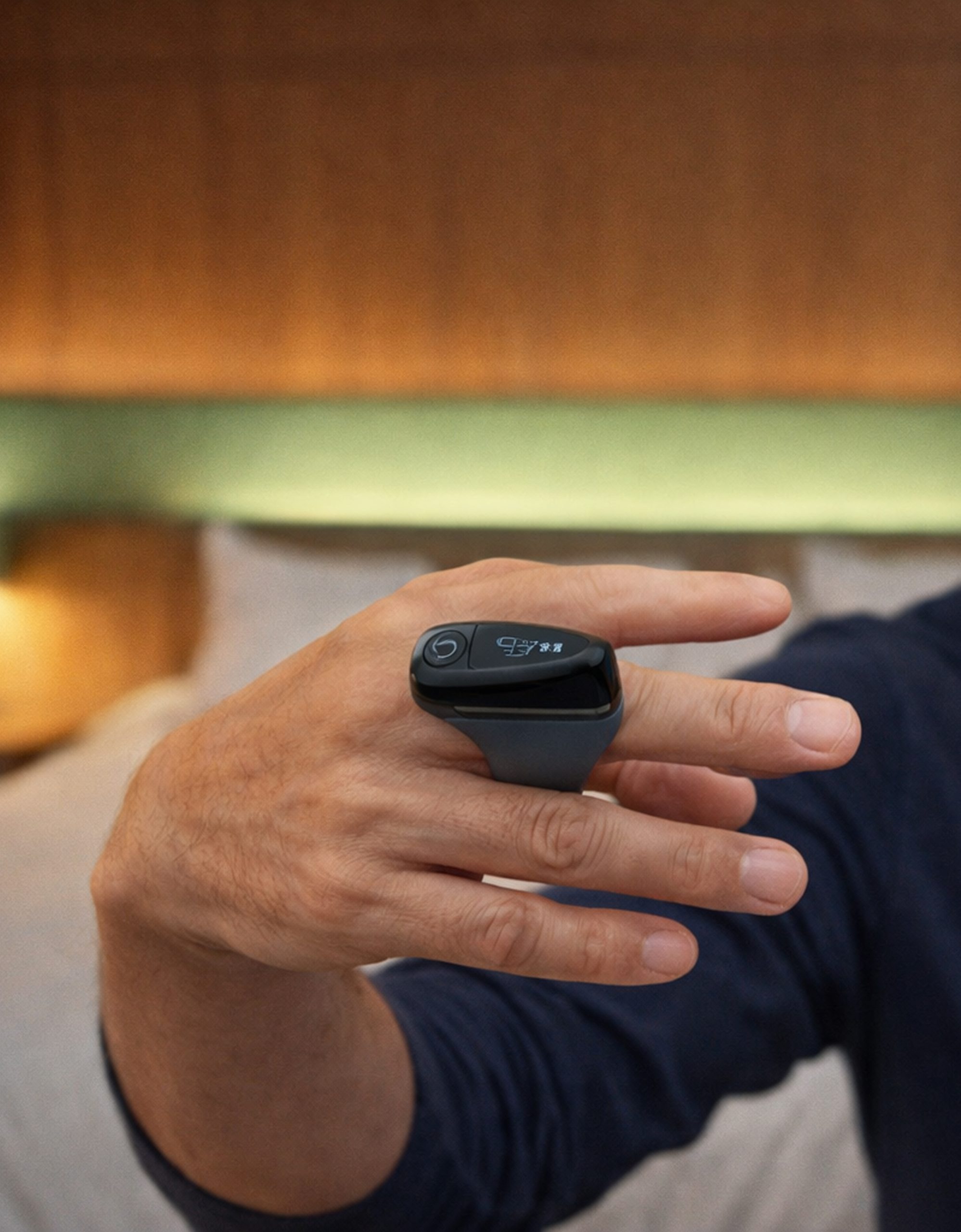
At-home sleep testing is a clinically validated diagnostic tool used to screen for sleep-related breathing disorders, including obstructive sleep apnea (OSA). Unlike overnight laboratory sleep studies conducted in a traditional sleep center, HST allows you to sleep in your own bed while wearing a small, portable monitoring device.
HST data is usually analyzed by a sleep doctor after the test is completed to ensure results align with established clinical guidelines. The test collects key physiological data, including breathing patterns, airflow interruptions, heart rate, and blood oxygen levels.
Unlike overnight laboratory sleep studies performed in a sleep lab, HST allows you to sleep in your own bed while wearing a small, portable monitoring device. Home sleep apnea tests do not measure brain waves or sleep stages, focusing instead on breathing patterns and oxygen levels.
At-home sleep testing provides structured overnight monitoring without the need for a laboratory stay.
The test collects key physiological data, such as:
- Breathing patterns
- Oxygen saturation levels
- Heart rate
- Airflow interruptions
- Respiratory effort
- Snoring
HST data is usually analyzed by a sleep specialist after the test is completed. Home sleep apnea tests do not measure sleep stages or brain activity, focusing instead on breathing and oxygen levels. A prescription from a healthcare provider is required to obtain an at-home sleep apnea test.
Some home sleep testing devices assess peripheral arterial tone to help identify breathing-related events during sleep.
At Cascade TMJ and Airway, at-home sleep testing is not a standalone service. It is part of a comprehensive airway-centered evaluation that looks at how sleep, jaw position, breathing and oral structures affect your overall health.
Why At-Home Sleep Testing Is Often Preferred
Traditional in-lab sleep studies play an important role in sleep medicine, but they are not always necessary–or practical–for every patient. Because testing occurs in your own bed, results are more reflective of your natural sleep routine and nightly breathing patterns.
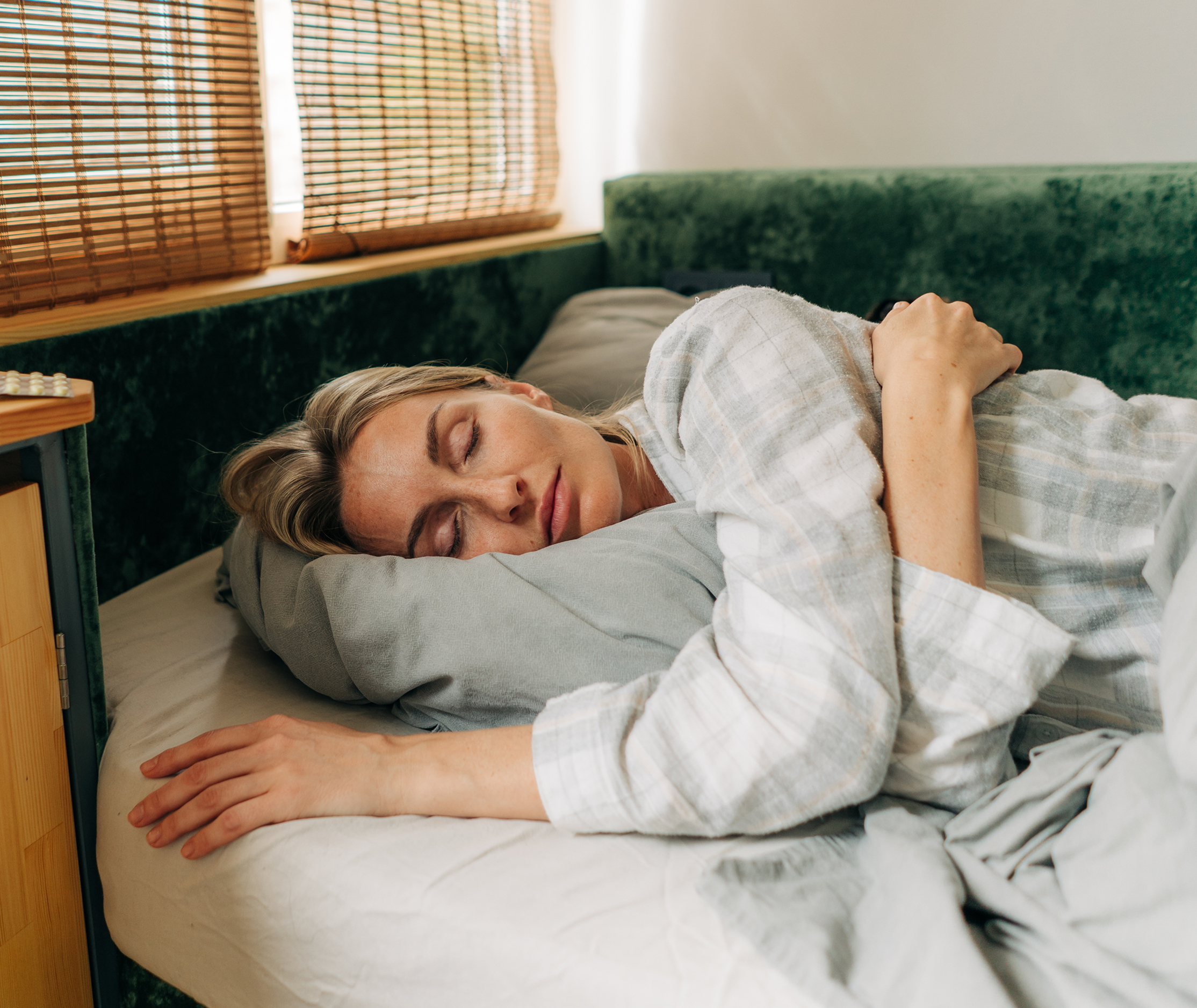
Because you’re in your own bed and environment, many patients find it easier to fall asleep naturally during at-home testing.
For many people, at-home sleep testing provides an effective, lower-stress alternative.
Benefits of At-Home Sleep Testing
- Sleep in your own environment
- No overnight lab stays or wires
- More representative of your typical sleep
- Simple, easy-to-use equipment
- Faster access to results
- Lower overall cost compared to in-lab studies
Research supported by organizations such as the American Academy of Sleep Medicine shows that at-home sleep testing is appropriate and reliable for patients with a moderate to high likelihood of obstructive sleep apnea when used under professional guidance. Because testing occurs at home, results more accurately reflect natural sleep habits, including body position throughout the night.
Who Is a Good Candidate for At-Home Sleep Testing for Obstructive Sleep Apnea?
Loud or chronic snoring is often first noticed by a sleep partner, making outside observation an important clue that testing may be needed. At-home sleep testing is commonly recommended for adults who experience symptoms such as:
- Loud or chronic snoring
- Daytime sleepiness or fatigue
- Morning headaches
- Brain fog or poor concentration
- Waking up gasping or choking
- Teeth grinding or jaw tension
- TMJ pain associated with sleep
It may also be appropriate for children when airway concerns are suspected, particularly when symptoms such as mouth breathing, restless sleep or behavioral challenges are present. If symptoms suggest a more complex sleep condition, in lab testing may be recommended instead of home-based evaluation.
During your consultation, our team will determine whether at home sleep testing is appropriate for your situation or whether a different diagnostic pathway would be more beneficial. In addition to snoring and fatigue, other symptoms such as jaw discomfort, restless sleep, or morning headaches may point toward an underlying sleep-related breathing issue.
The Science Behind At-Home Sleep Testing
Over time, untreated sleep apnea has been associated with serious cardiovascular conditions, including congestive heart failure, particularly when breathing disruptions go undiagnosed. Airflow restriction may originate in the nasal passages, soft tissues, or deeper airway structures during sleep.
Repeated sleep disruption affects multiple body functions, including metabolism, cardiovascular regulation, and cognitive performance. Healthy breathing during sleep depends on the ability of the airway to stay airway open as muscles relax at night.
When breathing becomes restricted during sleep, sleep apnea symptoms can look like:
- Oxygen levels drop
- The nervous system shifts into stress mode
- Sleep cycles are disrupted
- Inflammation increases
Over time, untreated mild sleep apnea to severe sleep apnea has been linked to:
- Cardiovascular disease
- Metabolic dysfunction
- Chronic fatigue
- Cognitive impairment
- Headaches and facial pain
At-home sleep testing provides objective data that moves care beyond guesswork. It allows providers to correlate symptoms with measurable physiological events–an essential step toward personalized to correlate symptoms with measurable physiological events–an essential step toward personalized, effective treatment. During sleep, relaxation of the throat muscles can reduce airway stability, contributing to partial or complete breathing interruptions.
When breathing becomes restricted during sleep, relaxation of the upper airway muscles can allow the airway to narrow or collapse repeatedly throughout the night. Repeated drops in oxygen and sleep fragmentation can contribute to cardiovascular strain, increasing the risk of high blood pressure over time.
How At-Home Sleep Study Works at Cascade TMJ and Airway

Our approach to at-home sleep testing is intentionally simple and patient-centered.
Initial Consultation or Screening
We begin by reviewing your symptoms, health history, and airway risk factors. Many patients start with an online screener or phone consultation.
At-Home Test Setup
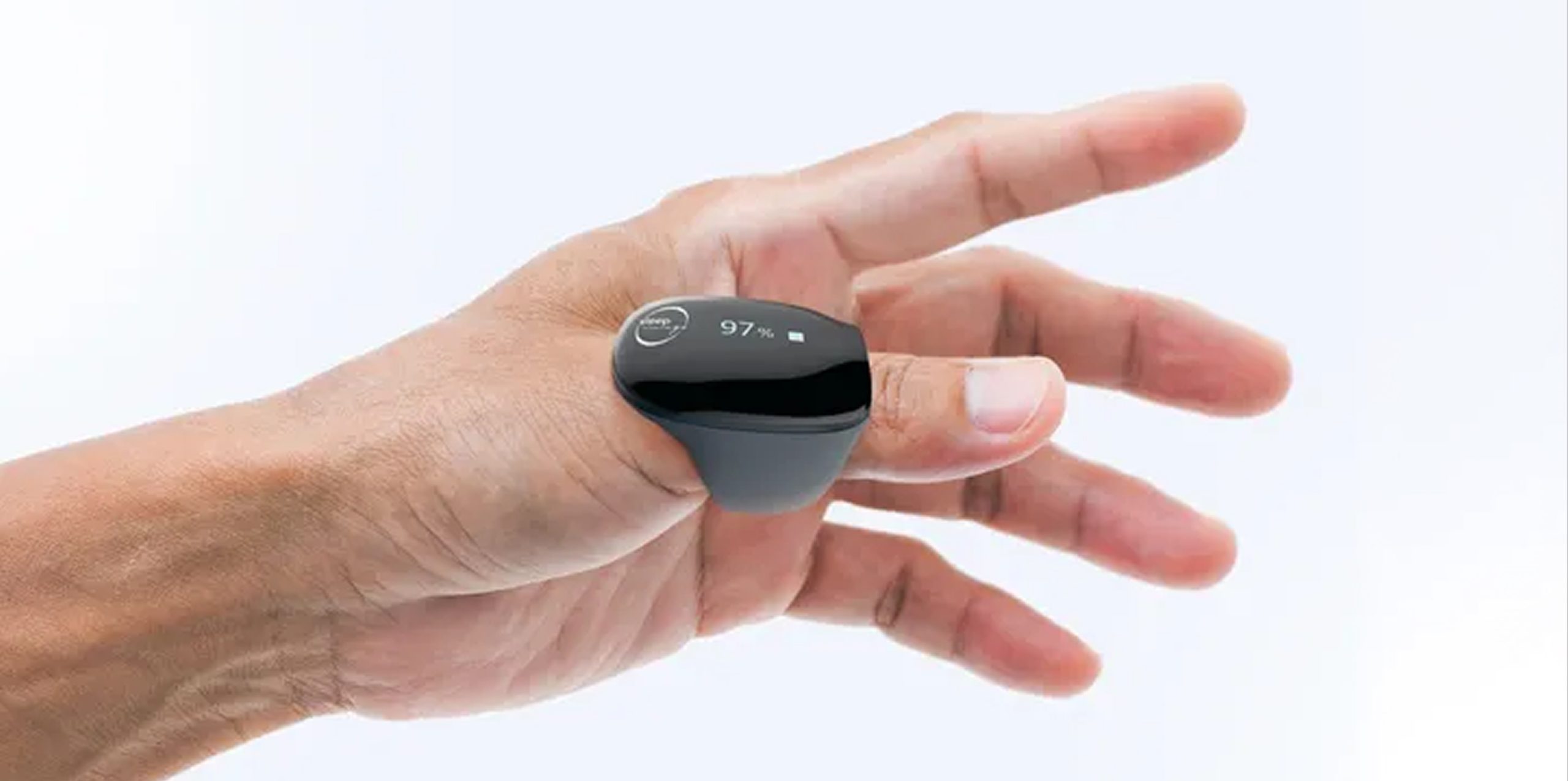
You’ll receive a compact home sleep test device with clear instructions. Most patients complete the test over just one night, though some may be asked to collect data over two nights for accuracy. For accurate results, patients are typically asked to wear the device for at least four hours while sleeping. The device typically includes simple components such as a nasal cannula, finger monitor, and a lightweight chest sensor to track breathing effort.
Most patients complete testing over one night, though additional nights may be recommended in some cases.
Data Analysis
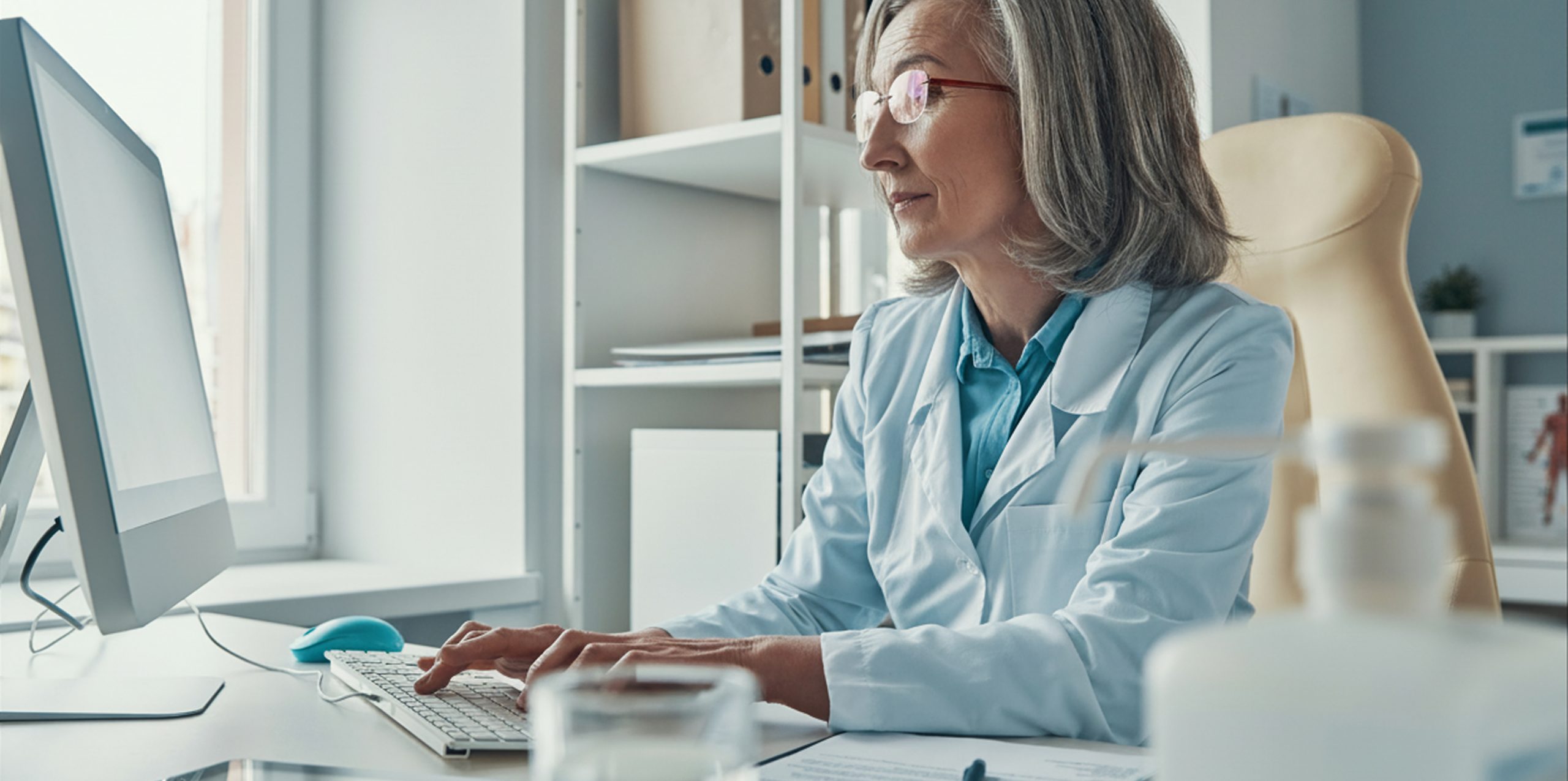
Your sleep data is reviewed by trained professionals using established clinical guidelines. In addition to other clinical metrics, your report may include the respiratory event index, which reflects the frequency of breathing-related events recorded during the test.
Results Review & How we Diagnose Sleep Apnea

We walk you through the results in plain language — no jargon, no pressure. From there, we discuss appropriate treatment options tailored to your needs. We explain how your apnea hypopnea index relates to symptom severity and helps guide appropriate next steps in care.
Schedule a phone consultation to learn whether at-home sleep testing is the right next step for you.
What Happens After At-Home Sleep Testing?
Testing is only the beginning. What makes Cascade TMJ and Airway different is how we use the information. If continuous positive airway pressure therapy is appropriate, we’ll tell you. If alternatives exist, we’ll explain those too — transparently and without pressure.
Depending on your results, next steps may include oral appliance therapy, airway-focused solutions, or CPAP treatment when medically appropriate. When structural factors contribute to airway restriction, referrals for medical management or procedures such as nasal surgery may be discussed when appropriate.
For some patients, therapy may include the use of a CPAP machine, while others may benefit from alternative airway-focused solutions. In select cases, advanced therapies targeting airway muscle control, including pathways involving the hypoglossal nerve, may be discussed when appropriate.
Depending on your results, next steps may include:
- Oral appliance therapy as an alternative to CPAP
- Airway-focused orthodontic solutions
- TMJ-aware treatment planning
- Myofunctional therapy collaboration
- Referral coordination when medically indicated
Our goal is root-cause care not one-size-fits-all solutions. If CPAP is appropriate, we’ll tell you. If alternatives exist, we’ll explain those too — transparently and without pressure. Testing is only the beginning. What makes Cascade TMJ and Airway different is how we use the information to guide personalized sleep apnea treatment options based on your airway, symptoms, and long-term health goals.
Lifestyle factors, such as quitting smoking, may also be discussed as part of a comprehensive plan to improve airway health and sleep quality.
Why Choose Cascade TMJ and Airway for At-Home Sleep Testing?
When you come to Cascade TMJ and Airway for sleep evaluation, you’ll receive:
- Airway-centered, whole-body approach
- Advanced training in sleep and TMJ disorders
- Personalized, education-first consultations
- Focus on long-term outcomes, not quick fixes
- Convenient care for patients across Central Washington
We don’t believe sleep issues should be minimized or rushed. Your symptoms matter — and understanding them starts with accurate, accessible testing.
Frequently Asked Questions
Can at-home sleep apnea testing diagnose sleep apnea and other sleep disorders?
At-home sleep apnea testing is designed to screen for breathing-related sleep disorders, including obstructive sleep apnea. While it does not diagnose every type of sleep disorder, it provides valuable data about airflow, oxygen levels, and breathing interruptions that help guide next steps. While at-home testing provides valuable diagnostic insight, it does not completely rule out every possible sleep disorder.
Does a home sleep apnea test detect central sleep apnea?
Home sleep apnea tests primarily screen for obstructive sleep apnea. In some cases, results may suggest patterns consistent with central sleep apnea, but a full in-lab sleep study may be recommended for more complex sleep-related conditions.
How is a home sleep apnea test different from a sleep study in a lab?
A home sleep apnea test allows you to sleep in your own bed while monitoring breathing and oxygen levels. A laboratory sleep study tracks additional data, such as brain activity and sleep stages, and is used when more detailed evaluation is needed.
Take the First Step Toward Better Sleep
If you’re tired of feeling tired, struggling with snoring, jaw pain, or unrestful sleep, at-home sleep testing may be the missing piece. A sleep apnea diagnosis may be the answer to your problems.
Better sleep leads to better days — and better long-term health.
Schedule your at-home sleep testing consultation today and take the first step toward clarity, comfort, and restorative sleep.