
Sleep Apnea Testing in Wenatchee, WA
Sleep apnea is a common yet underdiagnosed condition that disrupts restful sleep, impairs daytime functioning and negatively impacts long-term health. Accurate sleep apnea testing is the essential first step toward getting the right diagnosis and designing a personalized treatment plan.
Our approach is grounded in sleep medicine, combining accurate diagnostic testing with airway-focused insight to guide effective, personalized care. Sleep apnea interferes with the body’s ability to achieve a good night’s rest, even when you spend enough time in bed.
At Cascade TMJ and Airway, we take a comprehensive, airway-focused approach to sleep apnea evaluation. We’ll explain why diagnosis matters and how we can help you move toward treatment and restful nights.
Types of Sleep Apnea
There are three main types of sleep apnea, each with different causes and treatment needs.
Diagnosing the specific type of sleep apnea is essential for effective treatment. A sleep study, conducted either at home or in a sleep lab, allows us and your healthcare provider to observe your breathing patterns and determine the severity of your sleep apnea. Understanding individual risk factors helps determine who should be tested and which diagnostic approach is most appropriate.
These repeated breathing interruptions are known as apnea episodes and can occur dozens of times per hour in untreated sleep apnea. In central sleep apnea, breathing interruptions occur when signals from the nervous system fail to properly regulate breathing during sleep.
What Is Sleep Apnea Testing?
Sleep apnea testing includes procedures that measure your breathing, oxygen levels and other physiological signals during sleep with the goal of identifying breathing interruptions, oxygen drops and sleep disruptions caused by obstructive or central sleep apnea. There are two main types of sleep apnea testing–at-home testing and in-lab sleep studies.
Sleep apnea testing is designed to diagnose sleep apnea by measuring breathing patterns, oxygen levels, and sleep disruptions that occur during the night. Sleep apnea testing measures breathing patterns, heart rate, and blood oxygen levels to identify disruptions that occur during sleep.
At-Home Sleep Apnea Testing

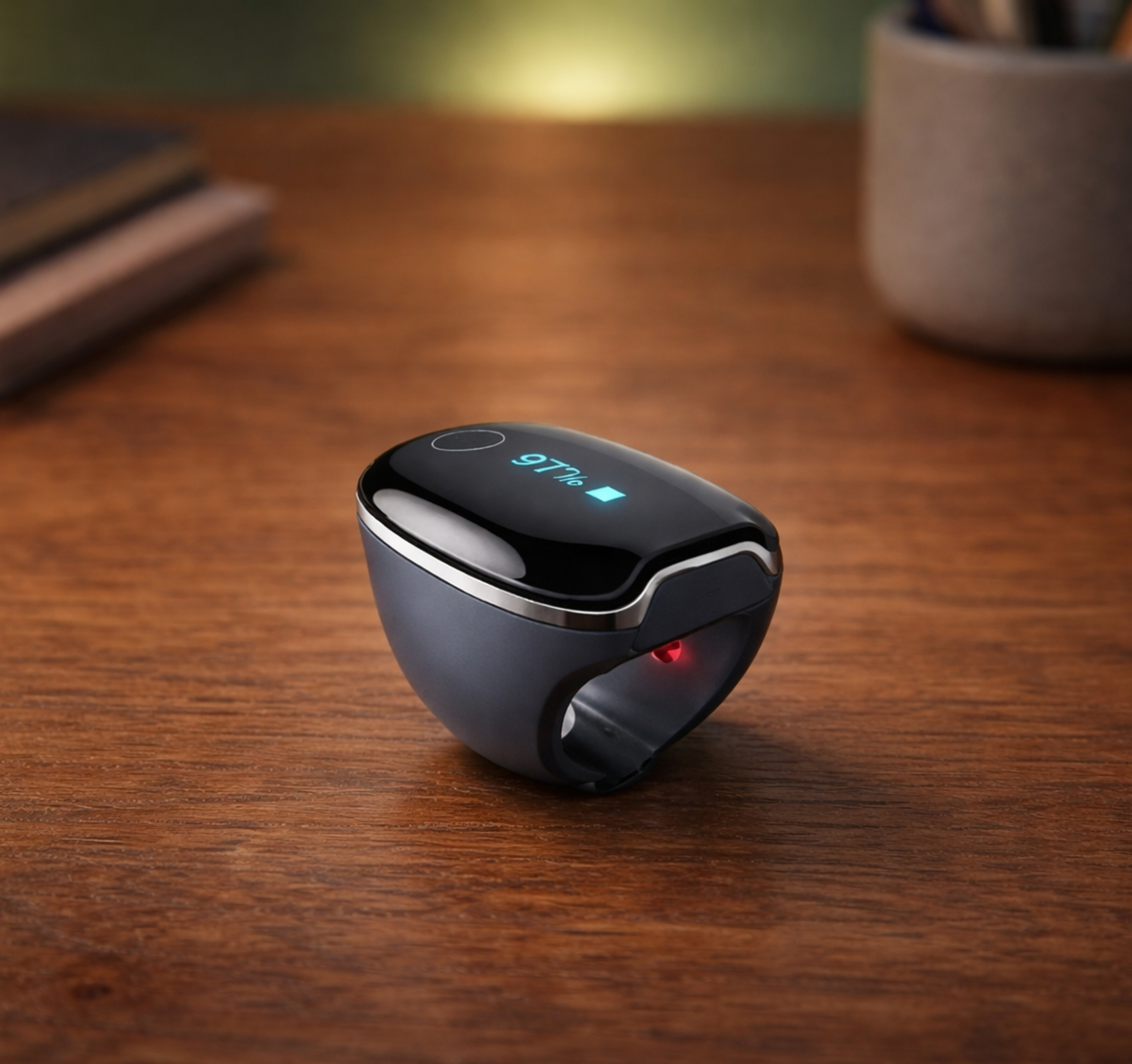
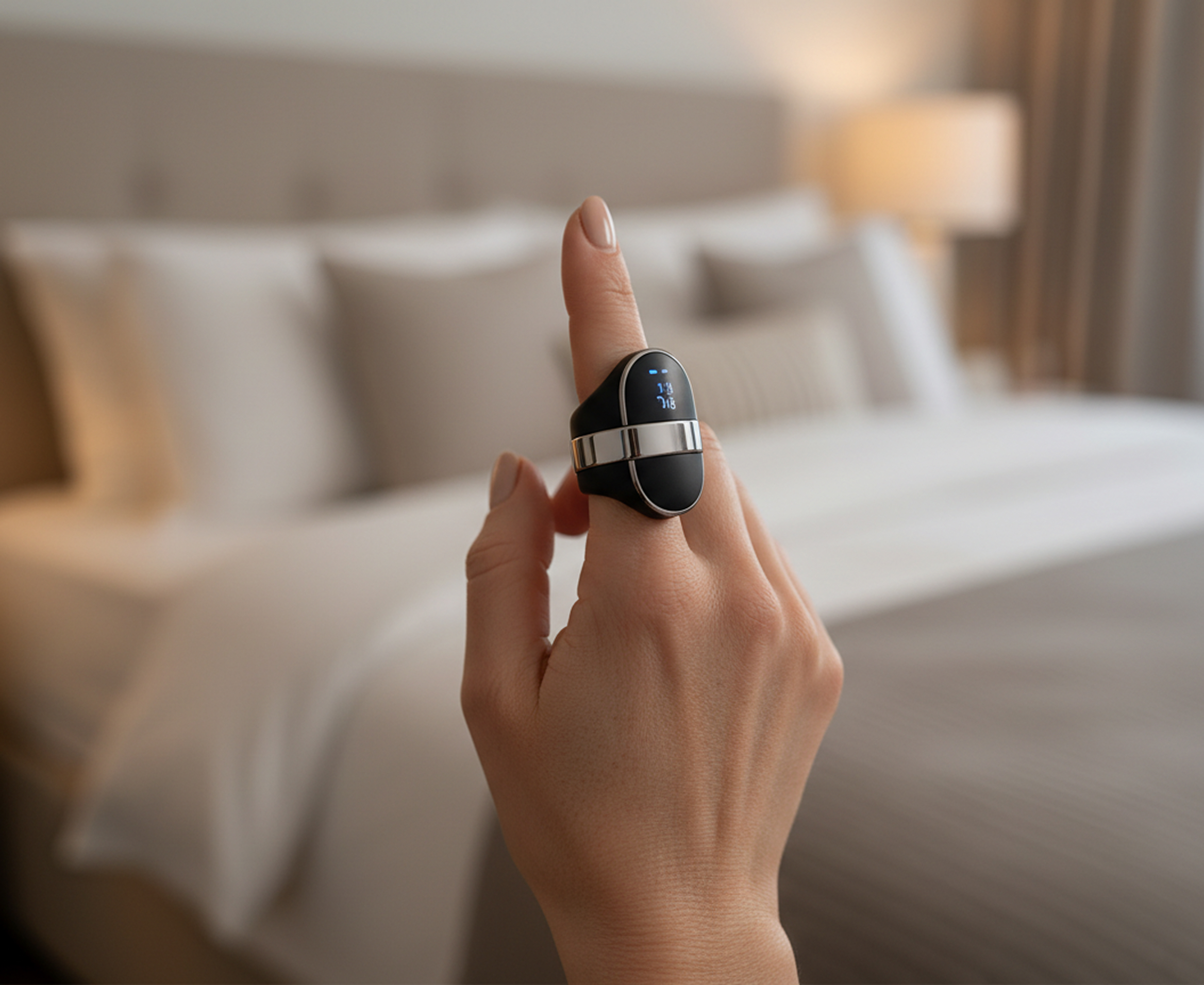
At-home sleep apnea tests use a portable device worn overnight in your own bed. It measures airflow, oxygen levels, heart rate and other functions as you sleep. These highly accurate tests can detect sleep apnea nearly as well as in-lab studies, all from the comfort of your own home.
Many patients enjoy this option for its convenience–no need to arrange a babysitter, take off work or travel for testing. At-home tests are most often used to screen for obstructive sleep apnea (OSA) in adults with a moderate to high likelihood of OSA who don’t have major medical complications.
In-Lab Sleep Study (Polysomnography)
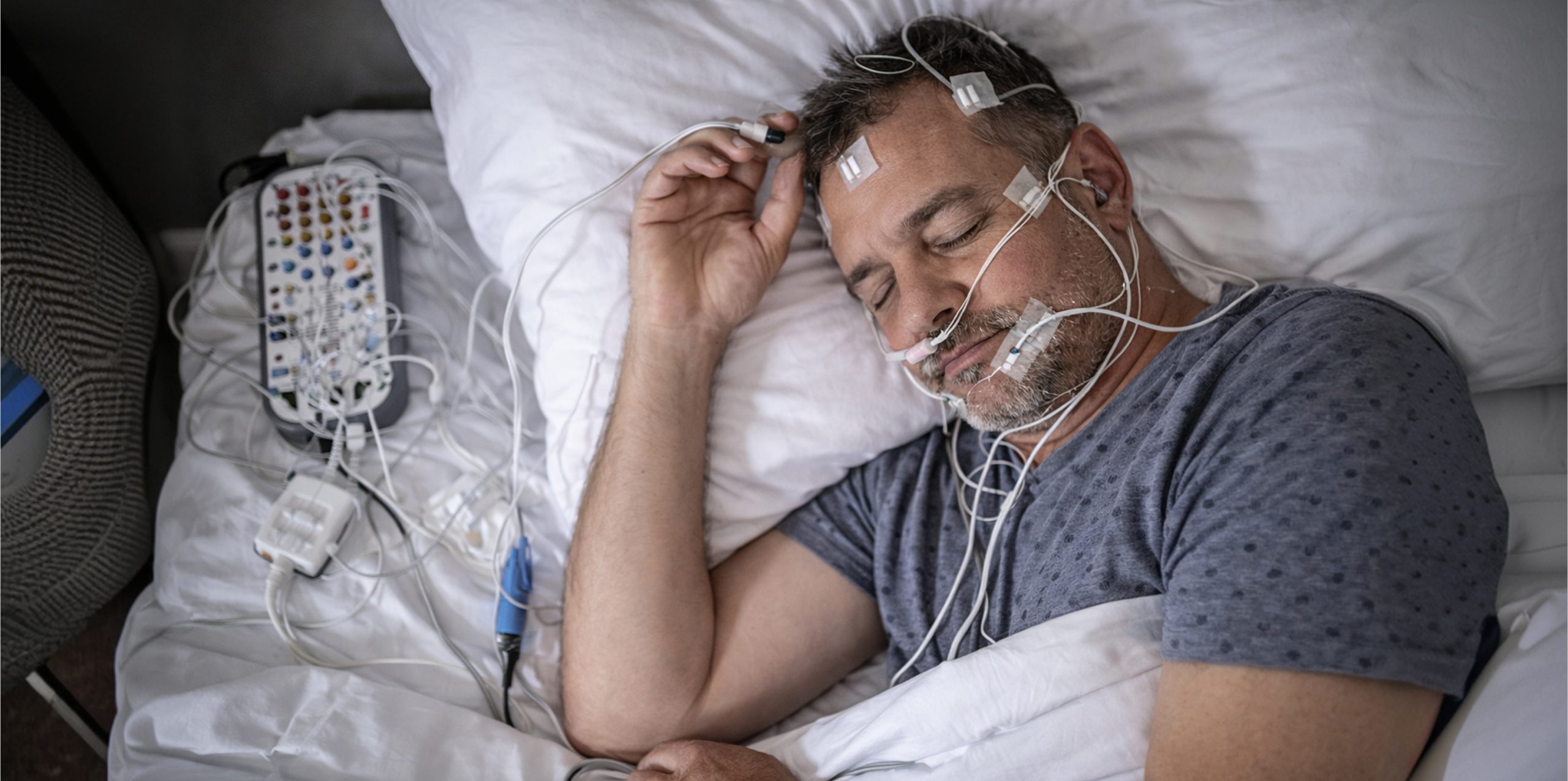
In-lab sleep studies take place in a sleep laboratory and require an overnight stay. The lab will offer a hotel-like setting where you will be monitored as you sleep. This method offers highly detailed information about your sleep patterns and is often used when severe sleep apnea or other disorders are suspected. In-lab studies can also detect abnormal leg movements, which may indicate other sleep-related conditions contributing to disrupted rest.
During the test, your medical team will use sensors to measure brain waves, eye and muscle activity, heart rate, breathing patterns, oxygen levels and more — providing detailed insight into sleep and multiple sleep disorders.
Both testing approaches are medically supervised and interpreted by trained professionals. In-lab sleep studies measure brain activity, eye movement, muscle tone, breathing, and oxygen levels to fully evaluate sleep stages.

Why Sleep Apnea Testing Matters
Sleep apnea is a dangerous disorder. Untreated sleep apnea has also been linked to high blood pressure, increasing long-term cardiovascular risk when breathing interruptions continue night after night. Accurate testing helps identify disruptions that interfere with healthy sleep, allowing treatment to restore proper rest and daytime functioning.
When untreated, it has been associated with:
- Elevated blood pressure and heart disease
- Increased stroke risk
- Impaired glucose metabolism
- Daytime fatigue and cognitive decline
- Mood changes and reduced quality of life
Repeated sleep disruptions often lead to excessive daytime sleepiness, making it difficult to stay alert, focused, or productive even after spending enough time in bed. Testing helps identify sleep apnea early, reducing the risk of possible complications that can develop when the condition goes untreated.
Accurate diagnosis is critical so that treatment can be tailored to your needs. Testing also helps rule out other sleep issues so your care is targeted appropriately. Sleep apnea prevents the body from reaching and maintaining normal sleep, even if you fall asleep quickly or remain in bed for many hours.
Testing helps determine whether weight-related factors are affecting airway function, even in individuals who maintain a healthy weight. In severe or undiagnosed cases, symptoms may worsen over time and increase the likelihood of unexpected visits to the emergency room.
PREPARING FOR YOUR SLEEP APNEA TEST
Whether at home or in a lab, preparation helps ensure accurate results:
- Follow your regular sleep patterns — as much as possible
- Avoid alcohol and heavy meals before bedtime
- Use your typical sleep aids (unless instructed otherwise)
- Arrive well-rested for in-lab studies
- Involve your bed partner in the process, as they may notice symptoms you are unaware of and can provide valuable information to your healthcare provider
Maintaining your usual bedtime routine before testing helps ensure results reflect your typical sleep patterns. Being relaxed and comfortable often leads to more representative data.
Interpretation of Results: What Comes Next
Once testing is complete, a sleep specialist will review your results, explain what they mean, and help guide the next steps based on your diagnosis and severity. Once obstructive sleep apnea diagnosed, a sleep professional will review your results and help determine the most appropriate treatment options based on severity and airway findings. Testing allows your provider to classify the condition as mild, moderate, or severe, helping determine whether mild obstructive sleep apnea can be managed with conservative or non-invasive treatment options.
During diagnosis, your doctor will:
- Confirm whether sleep apnea is present
- Classify the severity (mild, moderate, severe)
- Discuss treatment options such as:
- Oral appliance therapy
- Airway orthodontics
- Continuous positive airway pressure (CPAP)
- Lifestyle and positional therapy
- Medications
- Surgery
Testing doesn’t stop with diagnosis — it guides effective, individualized care. In some cases, patients may be asked to keep a sleep diary to track sleep habits, symptoms, and patterns alongside testing results. In some cases, additional evaluations such as blood tests may be recommended to help identify contributing health factors that can affect sleep or breathing. Diagnosis may include a detailed sleep history along with a physical exam to assess airway anatomy and breathing patterns. Learn more about treatment options such as Oral Device Therapy and Adult Airway Orthodontics.

Sleep Apnea Treatment Options for Better Sleep and Daily Energy
The right treatment options for sleep apnea depend on the type and severity of your condition. From simple lifestyle changes to advanced therapies, care is personalized to support healthier breathing and long-term wellness. For some individuals, weight loss can reduce the severity of sleep apnea by decreasing pressure on the airway.
Common treatment options include:
- Lifestyle changes (mild sleep apnea): weight management, side sleeping, avoiding alcohol
- CPAP therapy (moderate to severe sleep apnea): keeps the airway open with steady airflow
- Oral appliances (mild to moderate sleep apnea): gently reposition the jaw for better airflow
- Surgical options (when needed): corrects structural airway issues
Your provider will tailor a plan to your needs—helping you sleep better, feel more energized, and protect your overall health.
Frequently Asked Questions
How does a sleep center diagnose obstructive sleep apnea?
At a qualified sleep center, testing tracks breathing, oxygen levels, and sleep patterns to determine whether obstructive sleep apnea is present. Once obstructive sleep apnea is diagnosed, your provider can classify its severity and recommend the right treatment plan.
Why do I feel tired even when I fall asleep easily?
Many people with obstructive sleep apnea fall asleep quickly but still wake up feeling exhausted. That’s because repeated breathing interruptions prevent deep, restorative sleep—even if you don’t remember waking during the night.
How do doctors treat obstructive sleep apnea after diagnosis?
Once testing confirms the condition, your provider will create a personalized plan to treat obstructive sleep apnea. This may include oral appliances, CPAP therapy, positional strategies, lifestyle changes, or airway-focused therapies, depending on your needs and severity.
Take the First Step Toward Better Sleep
Sleep apnea testing is the gateway to understanding what’s happening at night and taking control of your health. Accurate diagnosis means targeted treatment, better sleep quality, and improved long-term health. Schedule your sleep apnea testing consultation today and start your journey toward deeper, more restorative sleep.