
Sleep Apnea Treatment Focused on Root-Cause Airway Health

Sleep apnea is more than loud snoring–it is a serious medical condition that affects breathing, and daily quality of life. At Cascade TMJ and Airway, we provide personalized sleep apnea treatment that targets the underlying airway causes of disordered breathing–not just the symptoms.
Our airway focused approach looks beyond masks and machines to restore healthy breathing, improve sleep quality and protect your long-term health through customized, non-invasive solutions whenever possible. Sleep apnea interferes with the body’s ability to achieve a good night’s rest, even when you spend enough time in bed.
At Cascade TMJ and Airway, we provide personalized sleep apnea treatment that targets the underlying upper airway causes of disordered breathing—not just the symptoms.
What Is Sleep Apnea?
Sleep apnea occurs when normal breathing patterns are repeatedly disrupted during sleep due to airway collapse or impaired neurological signaling. Sleep apnea is characterized by episodes where individuals stop breathing during sleep and then resume breathing, often with a gasp or snort.
Even mild sleep apnea can cause a choking sensation during sleep, which may lead to loud snorts or gasps when breathing resumes. It can also lead to irregular heartbeat. Other symptoms can include dry mouth, sore throat, waking to urinate, mood changes and fatigue.
According to the American Academy of Sleep Medicine (AASM), untreated sleep apnea significantly increases the risk of high blood pressure, heart disease, stroke, diabetes, and daytime accidents.
Sleep apnea diagnosed through tests such as polysomnography or home sleep apnea testing. Many patients remain undiagnosed for years, attributing symptoms to stress or aging rather than a serious airway disorder.
In addition to obstructive sleep apnea, some individuals experience central sleep apnea, a condition in which the brain does not consistently send proper signals to the muscles that control breathing. Unlike airway collapse, central sleep apnea is related to neurological control of breathing and often requires a different diagnostic and treatment approach.
Common sleep apnea symptoms include loud snoring, gasping or choking during sleep, dry mouth, sore throat, frequent nighttime urination, mood changes, and persistent fatigue. These breathing interruptions often occur shortly after a person fall asleep, fragmenting sleep cycles and preventing deep, restorative rest.

Why Treating Sleep Apnea Is Critical for Whole-Body Health
Scientific research indexed in PubMed demonstrates that untreated sleep apnea is associated with:
- Cardiovascular disease
- Cognitive decline
- Metabolic dysfunction
- Increased mortality risk
Because sleep apnea affects oxygen delivery throughout the body, repeated breathing disruptions can cause dangerous drops in blood oxygen levels, placing stress on the heart, brain, and other vital organs.
Repeated nighttime breathing disruptions often lead to excessive daytime sleepiness, increasing the risk of accidents, reduced concentration, and impaired work performance.
Our Airway-Centered Approach to Sleep Apnea Treatment
Traditional sleep apnea care often relies on CPAP or other forms of breathing device therapy to manage nighttime airway collapse. Continuous positive airway pressure (CPAP) therapy is considered the standard treatment for obstructive sleep apnea and delivers pressurized air through a mask to keep the airway open during sleep.
At Cascade TMJ and Airway, we focus on why your airway collapses, not just forcing it open at night. Our treatment philosophy emphasizes:
- Airway anatomy
- Jaw position
- Tongue posture
- Nasal breathing
- Sleep biomechanics
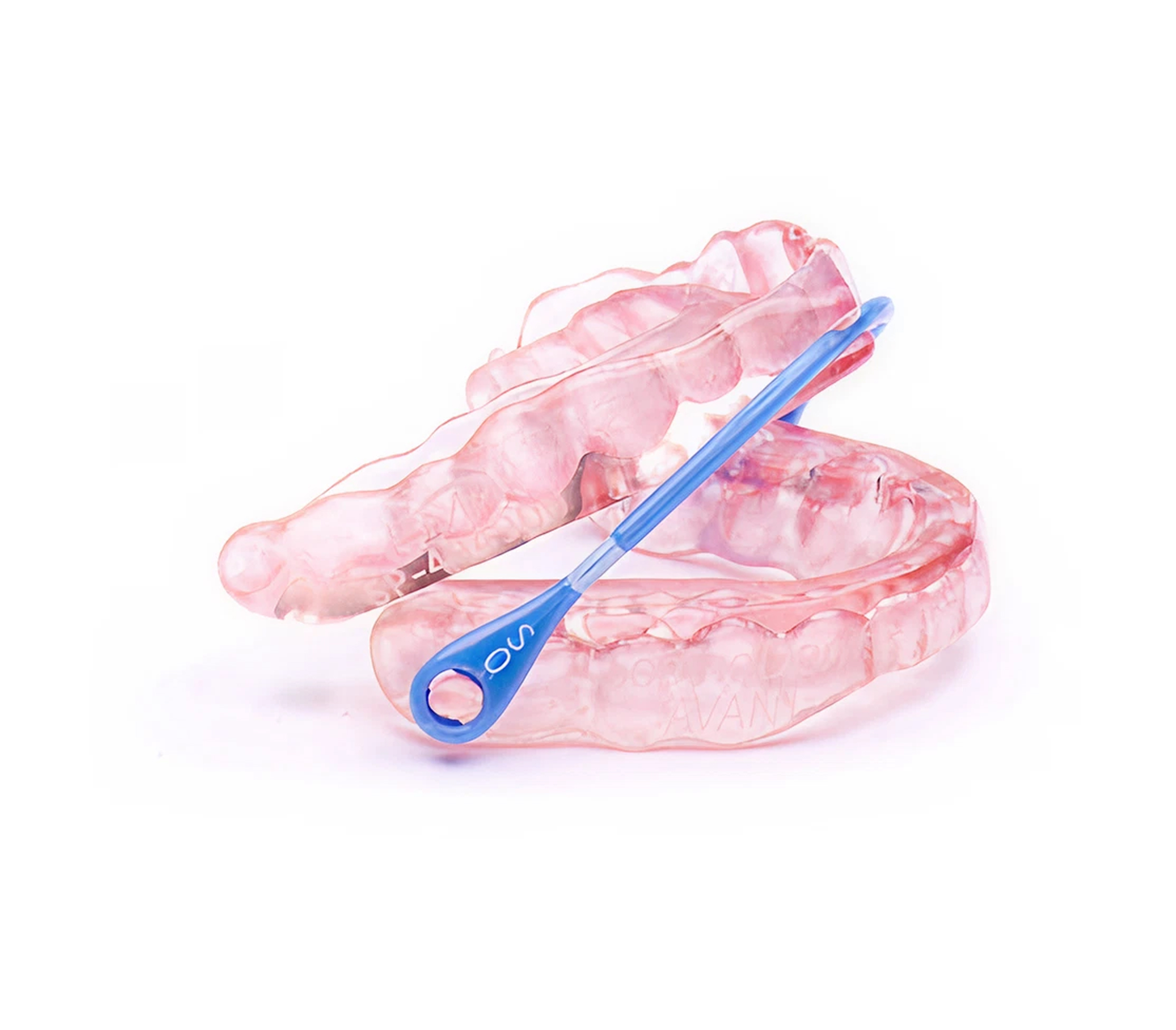
This allows us to build customized treatment plans that are more comfortable and sustainable. In more complex cases, such as those involving central sleep apnea or difficulty tolerating standard CPAP, bilevel positive airway pressure may be recommended to support different pressure needs during inhalation and exhalation.
While CPAP treatment is often prescribed to manage obstructive sleep apnea by keeping the airway open at night, it does not address the underlying anatomical or functional causes of airway collapse.
Continuous positive airway pressure (CPAP) therapy works by delivering gentle air pressure through a mask to keep the airway open during sleep, reducing breathing interruptions. Our treatment philosophy emphasizes airway anatomy, jaw position, tongue posture, nasal breathing, and the health of the nasal passages, all of which influence airflow during sleep.
Personalized Sleep Apnea Treatment Options

Oral Appliance Therapy
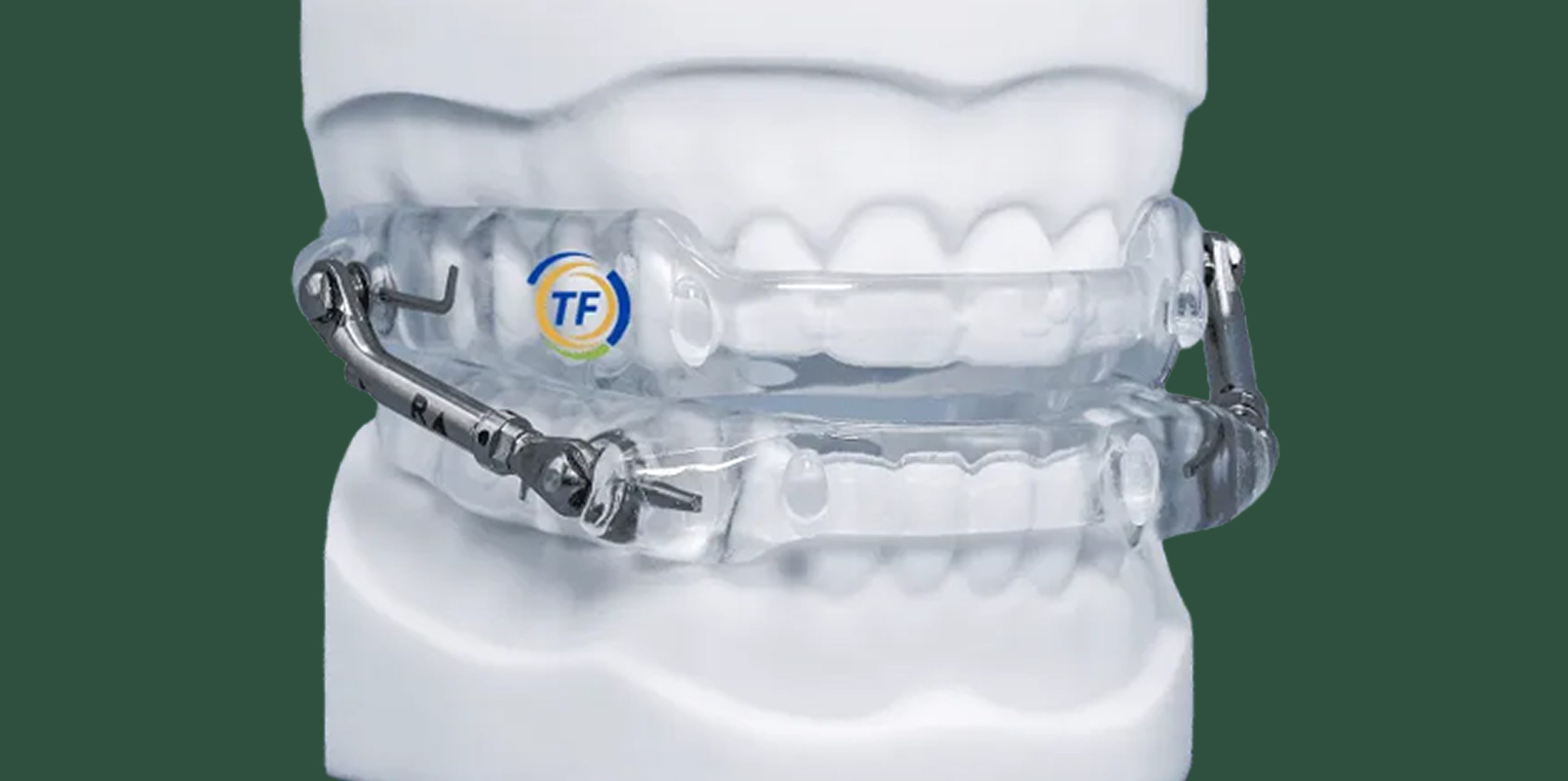
Custom oral appliances gently reposition the lower jaw and tongue forward to help maintain an open airway during sleep. These are:
- Small and portable
- Quiet and comfortable
- Clinically proven for mild to moderate sleep apnea
Maxillomandibular advancement surgery, which also moves the jaw forward, can reduce sleep apne symptoms by 87% on average is successful in 85% of patients. These appliances are clinically proven for mild to moderate to severe sleep apnea in carefully selected patients, particularly those who cannot tolerate CPAP.
In select patients with central sleep apnea, advanced therapies such as transvenous phrenic nerve stimulation may be used to support consistent breathing during sleep by regulating diaphragmatic activity.
The AASM recognizes oral appliance therapy as an effective treatment for many patients who cannot tolerate CPAP. Custom oral appliances, sometimes referred to as oral devices, gently reposition the jaw and tongue forward to help keep the airway open during sleep.
Airway Orthodontics
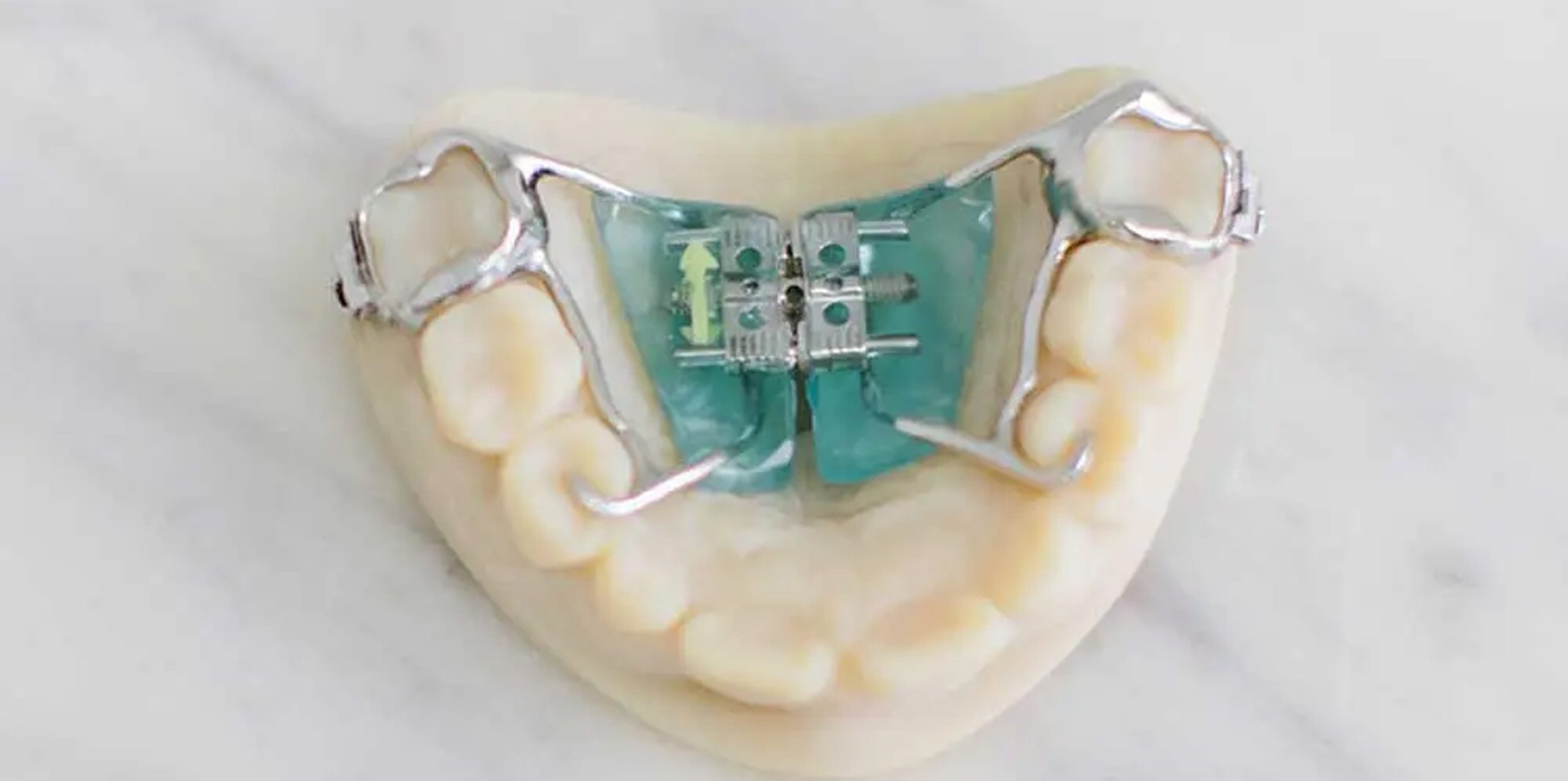
For some patients, narrow dental arches and jaw structure restrict airway size. Orthodontic treatment can help improve airflow by creating proper oral and skeletal support. In some cases, surgical procedures involving the upper jaw can also improve airway patency and reduce obstructions during sleep.
In select cases, nasal surgery may be recommended to address structural blockages that contribute to airflow resistance and nighttime breathing disruption.
Myofunctional Therapy
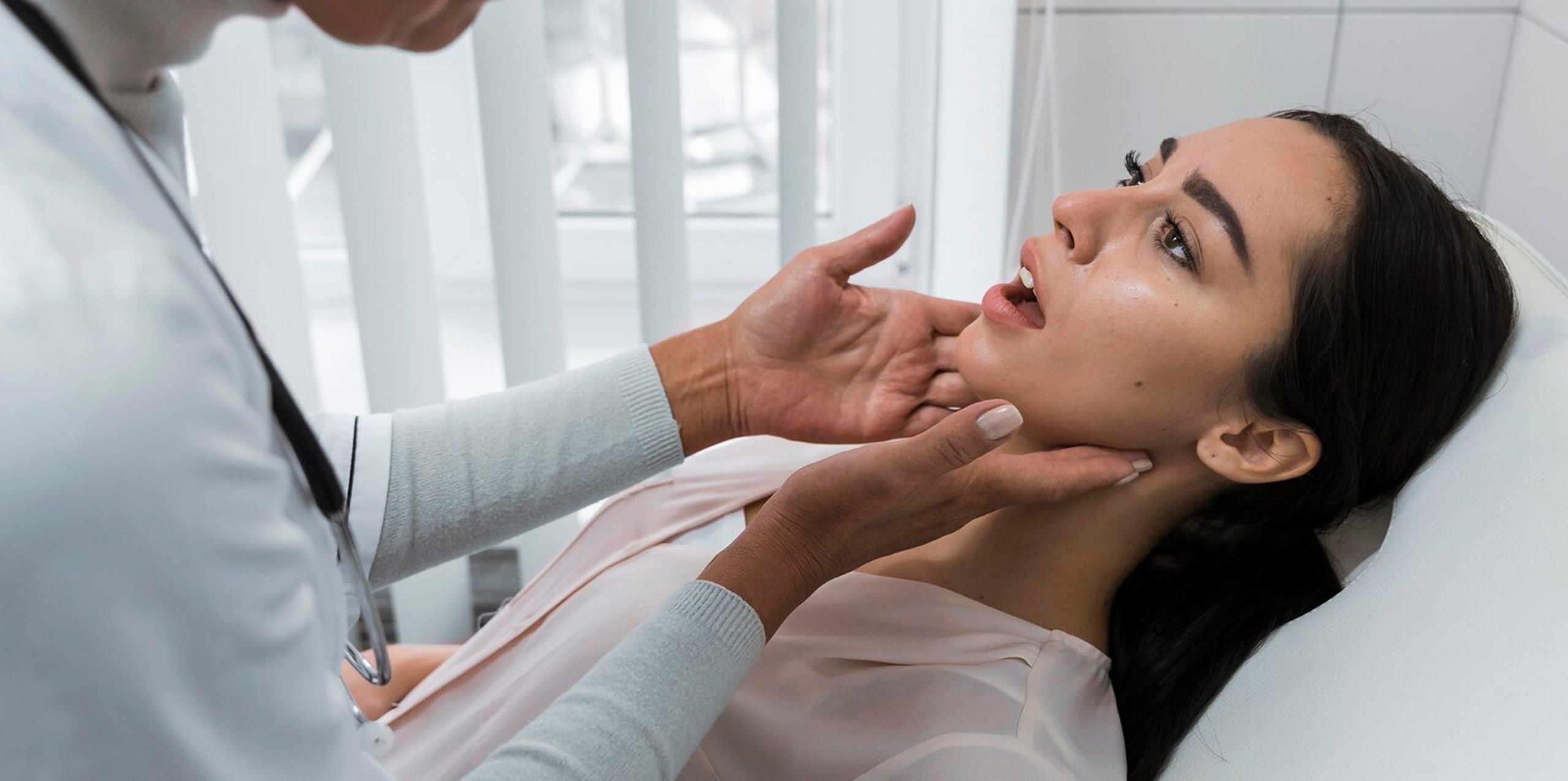
Improper tongue posture and mouth breathing contribute to airway collapse. Myofunctional therapy retrains the facial muscles, tongue, and throat to improve coordination, promote proper tongue posture, and stabilize breathing during sleep. Therapies such as hypoglossal nerve stimulation work by stimulating tongue movement to prevent airway collapse during sleep.
Studies show myofunctional therapy can significantly reduce sleep apnea severity when combined with other treatments. In selected cases, therapies such as upper airway stimulation may be used to activate tongue movement and help prevent airway collapse during sleep.
Lifestyle Changes for Sleep Apnea
Simple lifestyle changes for sleep apnea can play an important role in improving breathing during sleep and supporting long-term health. When combined with medical care, these habits may reduce symptoms and improve sleep quality.
Helpful lifestyle changes may include:
- Weight loss: Reducing excess body weight can decrease fatty tissue around the throat and help keep the airway open.
- Avoiding alcohol and sedatives: helps prevent excessive relaxation of the tongue and soft palate, reducing the risk of airway obstruction during sleep.
- Quitting smoking: Reduces airway inflammation and improves nighttime breathing.
- Reducing allergen exposure: Helps minimize congestion and nasal blockage.
- Sleeping position changes: Side sleeping may prevent airway collapse compared to sleeping on your back.
- Regular exercise: Supports breathing strength and overall airway stability.
- Weight management: can help remove excess tissue around the airway, lowering resistance to airflow during sleep.
Your healthcare provider can help you build a personalized plan that combines these lifestyle changes with other treatments, such as CPAP therapy or oral appliances, to effectively manage sleep apnea and improve your rest.
In some cases of obesity-related sleep apnea, weight loss surgery may be considered as part of a comprehensive medical plan to reduce airway obstruction and improve breathing during sleep.

Benefits of Treating Sleep Apnea Properly
Patients who treat obstructive sleep apnea often report:
- Deeper, more restorative sleep
- Improved energy and focus
- Reduced snoring
- Better mood and memory
- Lower cardiovascular risk
According to SleepFoundation.org, restoring healthy breathing during sleep improves daytime performance, immune function, and emotional well-being. Sleep apnea treatment is not just about sleeping better — it’s about living better.
When sleep apnea is treated effectively, patients often experience deeper sleep, improved energy, better focus, reduced snoring, and lower cardiovascular risk.
Why Choose Cascade TMJ and Airway for Sleep Apnea Treatment?
Unlike general medical sleep clinics, we specialize in the structural and functional causes of sleep apnea. Sleep apnea is one of several sleep disorders linked to airway dysfunction, which is why our care model evaluates breathing, structure, and function as an integrated system.
Our patients choose us because we offer:
- Whole-body, airway-focused care
- Non-invasive alternatives when appropriate
- Personalized education-first consultations
- Long-term solutions, not band-aids
We treat the airway as part of an integrated system — not an isolated symptom.

Frequently Asked Questions
Is obstructive sleep apnea dangerous?
Yes. Untreated obstructive sleep apnea, especially severe sleep apnea or severe obstructive sleep apnea, increases the risk of heart disease, stroke, and cognitive decline. The use of alcohol, sedatives, or sleeping pills can further increase risk by deepening airway collapse and reducing the body’s ability to respond to breathing pauses.
Is positive airway pressure my only treatment option?
No. While positive airway pressure (CPAP) is commonly used, many patients with mild sleep apnea or moderate forms benefit from oral appliances and airway-focused therapies. Surgery may be considered in complex cases.
What happens after doctors diagnose sleep apnea?
When providers diagnose sleep apnea, they create a personalized treatment plan. While not always curable, sleep apnea can be effectively managed long-term with the right care. Treatment planning may involve collaboration with a sleep specialist to ensure accurate diagnosis, monitoring, and long-term management.
Start Sleeping Better — and Living Better
You don’t have to accept chronic fatigue, snoring, and poor health as normal. Effective sleep apnea treatment can transform your energy, clarity, and long-term wellness.
At Cascade TMJ and Airway, we treat sleep apnea by addressing the root cause — your airway.
Schedule your sleep apnea treatment today and take control of your sleep and health.